
Top 10 Cataract Surgery Hospitals in India
Looking for the Best Cataract Hospital in India? Start With the Type of Cataract Care You Need The best cataract hospital in India is not always the one with the biggest name. Some eye care hospitals are known for premium lens implantation. Others are recognised for handling complex cataracts, diabetic eye conditions, glaucoma patients, or age-related vision problems. If you’re planning cataract surgery for yourself, a parent, or a senior family member, the most important question isn’t: “Which hospital is number one?” It’s: “Which hospital is best equipped for my specific eye condition?” To help answer that question, we’ve reviewed some of India’s most recognized cataract surgery centers and what they are particularly known for. What Makes a Cataract Hospital Stand Out? Modern cataract surgery is about much more than removing a cloudy lens. Leading eye care hospitals today focus on: Advanced diagnostic imaging Precision lens power calculation Premium lens options Astigmatism correction Faster visual recovery Managing cataracts alongside glaucoma, diabetes, and retinal disorders The best outcomes often come from choosing the right eye surgeon and lens combination rather than simply selecting the lowest-cost procedure. Explore Top 10 Cataract Surgery Hospitals in India: Where Patients Go for Advanced Cataract Care 1. Mohan Eye Institute, Delhi Known for Comprehensive Cataract Care in Delhi NCR Delhi patients often look for hospitals that provide both routine and advanced cataract surgery while also offering access to retina, glaucoma, cornea, and refractive specialists if additional eye conditions are discovered during evaluation. Mohan Eye Institute is among the established eye hospitals in Delhi that provides cataract surgery as part of a broader ophthalmology setup. Why Patients Consider It Advanced cataract evaluation Phacoemulsification surgery Premium intraocular lens options Access to multiple eye care specialties Convenient option for Delhi NCR residents Particularly Relevant For Patients seeking cataract treatment while also managing glaucoma, diabetic eye disease, or other age-related eye conditions. 2. Aravind Eye Hospital, Madurai One of India’s Most Influential Cataract Surgery Institutions When discussing cataract surgery in India, Aravind Eye Hospital is often referenced because of its contribution to cataract care delivery and surgical volume. Why Patients Consider It Extensive cataract surgery experience Strong surgical protocols International recognition Comprehensive ophthalmology services Particularly Relevant For Patients seeking a hospital with a long history of cataract care excellence. 3. Sankara Nethralaya, Chennai Frequently Chosen for Advanced Cataract and Corneal Evaluation Many patients choose Sankara Nethralaya when they want specialist opinions before cataract surgery. Why Patients Consider It Advanced diagnostics Cornea expertise Research-driven ophthalmology Access to subspecialists Particularly Relevant For Patients with complex eye conditions beyond cataracts. 4. LV Prasad Eye Institute, Hyderabad Known for Managing Complex Eye Conditions Alongside Cataracts Not every cataract patient has healthy eyes otherwise. Patients with retinal disease, childhood eye disorders, or corneal problems often require additional evaluation. Why Patients Consider It Strong academic reputation Multidisciplinary eye care Comprehensive pre-surgical assessments Advanced clinical infrastructure Particularly Relevant For Patients with complicated eye histories. 5. Narayana Nethralaya, Bengaluru Popular Choice for Technology-Driven Eye Care Bengaluru patients often compare hospitals based on technology, diagnostics, and access to subspecialists. Why Patients Consider It Advanced imaging systems Cataract and retina expertise Premium lens options Comprehensive eye care Particularly Relevant For Patients exploring premium cataract surgery options. 6. Centre for Sight Frequently Considered for Premium Lens Cataract Surgery One of the most common questions cataract patients ask is: “Can I reduce my dependence on glasses after surgery?” Hospitals offering a wide range of premium lens technologies are often considered during this decision. Why Patients Consider It Multiple lens options Astigmatism correction lenses Presbyopia-correcting lenses Nationwide availability Particularly Relevant For Patients interested in lifestyle-oriented vision correction after cataract surgery. 7. Aditya Jyot Eye Hospital, Mumbai Known for Cataract and Retina Care Many cataract patients also have diabetes or retinal concerns. Hospitals with strong retina services can be valuable when multiple eye conditions need management. Why Patients Consider It Retina expertise Cataract surgery Diabetic eye care Advanced diagnostics Particularly Relevant For Patients with diabetes-related eye concerns. 8. Dr Agarwals Eye Hospital Large Eye Care Network Across India Patients often look for consistency, accessibility, and follow-up convenience. Why Patients Consider It Multiple locations Cataract surgery services Modern ophthalmology infrastructure Long-term follow-up access Particularly Relevant For Patients seeking treatment close to home. 9. Ruby Hall Clinic, Pune Cataract Care Within a Multispecialty Hospital Environment Some senior patients prefer cataract surgery within a hospital that offers cardiology, diabetes, and general medical support. Why Patients Consider It Multispecialty backup Cataract treatment Experienced ophthalmology team Particularly Relevant For Older patients with multiple medical conditions. 10. Disha Eye Hospitals, Kolkata Recognized Eye Care Provider in Eastern India Patients across eastern India frequently compare Disha Eye Hospitals when evaluating cataract treatment options. Why Patients Consider It Dedicated eye care services Cataract surgery Retina and glaucoma care Particularly Relevant For Patients seeking specialized eye care in eastern India. Which Cataract Lens Is Best? This is one of the most common questions patients ask. The answer depends on: Monofocal Lens Best for patients comfortable using glasses for some activities. Toric Lens Designed for patients with astigmatism. Multifocal Lens Provides vision at multiple distances and may reduce dependence on glasses. Extended Depth of Focus (EDOF) Lens Designed to provide a broader range of vision with fewer visual disturbances for selected patients. Your surgeon will recommend the most appropriate option after detailed measurements and lifestyle assessment. What Does Cataract Surgery Cost in India? The cost depends largely on the lens selected rather than the surgery itself. Cataract Surgery Type Approximate Cost Range Standard Cataract Surgery ₹20,000–₹50,000 Premium Monofocal Lens ₹40,000–₹80,000 Toric Lens Cataract Surgery ₹60,000–₹1,50,000 Multifocal Lens Surgery ₹80,000–₹3,00,000 Advanced Laser Cataract Surgery ₹1,00,000–₹4,00,000 How to Choose the Best Cataract Hospital in India The best cataract hospital is not necessarily the most expensive or the most popular. The right choice depends on the quality of care, surgeon expertise, and the technology available. Before choosing a hospital, consider: Comprehensive Eye Evaluation: Detailed diagnostics to assess cataracts and overall eye health. Advanced Surgical Technology: Availability
Top 10 LASIK Surgery Hospitals in India
Best LASIK Eye Surgery Hospitals in India for Safe Vision Correction If you’re searching for the best LASIK surgery hospital in India, the answer depends on your eye condition, the technology available, surgeon expertise, and the quality of pre-surgery evaluation. India is home to several reputed eye hospitals offering LASIK, SMILE, Femto LASIK, and Contoura Vision procedures. Some hospitals are known for advanced refractive surgery, while others are recognized for research, corneal care, or comprehensive ophthalmology services. This guide compares some of the most recognized LASIK surgery hospitals across major Indian cities, including Delhi, Mumbai, Chennai, Hyderabad, Bengaluru, Pune, Ahmedabad, and Kolkata. Whether you are looking for the best LASIK surgery hospital in Delhi, comparing LASIK surgery costs in India, or exploring alternatives such as SMILE eye surgery, this guide will help you make an informed decision. How We Selected These LASIK Hospitals Rather than ranking hospitals solely based on popularity, this list considers factors that patients commonly evaluate before undergoing LASIK surgery: Availability of LASIK, SMILE, and advanced vision correction procedures Refractive surgery expertise Diagnostic and pre-LASIK evaluation facilities Cornea and refractive care capabilities Reputation among patients and eye care professionals Presence in major metropolitan cities Comprehensive ophthalmology services Why Choosing the Right LASIK Hospital Matters LASIK surgery is one of the most commonly performed vision correction procedures, but not every patient is an ideal candidate. The quality of your evaluation before surgery often has a greater impact on outcomes than the procedure itself. A reputable LASIK hospital should help determine: Whether LASIK is suitable for your eyes Whether SMILE surgery may be a better option Whether Contoura Vision is recommended If dry eye disease needs treatment before surgery Whether corneal thickness is adequate for laser vision correction The best hospitals focus on selecting the right treatment for the patient rather than recommending the same procedure to everyone. Explore Top 10 LASIK surgery Hospital in India 1. Mohan Eye Institute, Delhi One of the Established LASIK Surgery Hospitals in Delhi Mohan Eye Institute is among the recognized eye hospitals in Delhi and offers a range of refractive surgery procedures, including LASIK, SMILE, and Contoura Vision. Notable Areas LASIK surgery SMILE eye surgery Contoura Vision Cornea services Cataract surgery Comprehensive ophthalmology care What Patients Often Consider Patients exploring LASIK surgery in Delhi frequently compare technology availability, surgeon experience, diagnostic infrastructure, and follow-up care. Mohan Eye Institute is one of the hospitals providing refractive surgery alongside broader eye care specialties. Best Suited For Patients seeking LASIK surgery in Delhi NCR Individuals comparing LASIK and SMILE surgery Patients looking for a multispecialty eye hospital 2. Sankara Nethralaya, Chennai Renowned Eye Hospital for Refractive Surgery and Research Sankara Nethralaya is widely recognized for ophthalmic research, clinical excellence, and advanced eye care services. Notable Areas LASIK surgery Femto LASIK SMILE surgery Corneal treatment Ophthalmic research What Patients Often Consider Many patients choose Sankara Nethralaya for its strong academic foundation and reputation for handling complex eye conditions. Best Suited For Patients seeking advanced refractive surgery Individuals requiring specialist corneal evaluation Patients looking for research-driven eye care 3. LV Prasad Eye Institute, Hyderabad Leading Eye Care Institution for Vision Correction Procedures LV Prasad Eye Institute is one of India’s most respected ophthalmology institutions and is known internationally for eye care, research, and education. Notable Areas LASIK surgery Refractive correction Corneal care Vision rehabilitation Ophthalmic research What Patients Often Consider The institute is frequently considered by patients who want comprehensive eye evaluations before choosing a vision correction procedure. Best Suited For Patients with complex refractive conditions Individuals seeking advanced eye diagnostics Patients looking for specialist consultation 4. Narayana Nethralaya, Bengaluru Advanced Eye Care and LASIK Surgery Center Narayana Nethralaya is among Bengaluru’s prominent eye hospitals and offers various refractive surgery options. Notable Areas LASIK surgery Femto LASIK SMILE surgery Corneal treatment Retina care What Patients Often Consider Patients often compare Narayana Nethralaya for its advanced technology and broad ophthalmology services. Best Suited For Patients seeking LASIK surgery in Bengaluru Individuals requiring comprehensive eye care Patients interested in advanced laser vision correction 5. Centre for Sight, Multiple Cities National Eye Care Network Offering LASIK and SMILE Surgery Centre for Sight has a presence across several Indian cities and provides a range of vision correction procedures. Notable Areas Contoura Vision LASIK surgery SMILE surgery Implantable contact lenses Refractive surgery What Patients Often Consider The network’s presence across multiple cities allows patients to access refractive surgery closer to home. Best Suited For Patients seeking nationwide accessibility Individuals exploring multiple vision correction options Patients comparing LASIK and Contoura Vision 6. Dr Agarwals Eye Hospital, Chennai and Pan India One of India’s Largest Eye Care Networks Dr Agarwals Eye Hospital operates across multiple cities and offers various laser vision correction procedures. Notable Areas LASIK surgery Refractive surgery Cataract treatment Corneal care What Patients Often Consider Patients often evaluate the hospital for its large network and availability of advanced ophthalmic services. Best Suited For Patients seeking LASIK surgery in multiple locations Individuals looking for established eye care infrastructure 7. Aditya Jyot Eye Hospital, Mumbai Recognized Eye Hospital in Mumbai Aditya Jyot Eye Hospital is known for providing a range of ophthalmology services, including refractive surgery. Notable Areas LASIK surgery Retina care Cataract surgery Corneal treatment What Patients Often Consider Patients frequently compare the hospital for its expertise across multiple eye care specialties. Best Suited For Patients seeking LASIK surgery in Mumbai Individuals looking for comprehensive eye care services 8. Shroff Eye Centre, Delhi NCR Eye Care Center Offering Advanced Refractive Procedures Shroff Eye Centre is among the established eye care institutions in Delhi NCR. Notable Areas LASIK surgery SMILE surgery Corneal treatment Cataract surgery What Patients Often Consider Patients often consider Shroff Eye Centre for its long-standing presence and comprehensive eye care services. Best Suited For Patients comparing LASIK hospitals in Delhi Individuals seeking specialist eye consultations 9. Ruby Hall Clinic Eye Department, Pune LASIK Surgery and Comprehensive Eye Care in Pune Ruby Hall Clinic provides ophthalmology services through its dedicated eye
Eye Hospital in Delhi: How to Choose the Right Specialist for Your Eye Condition
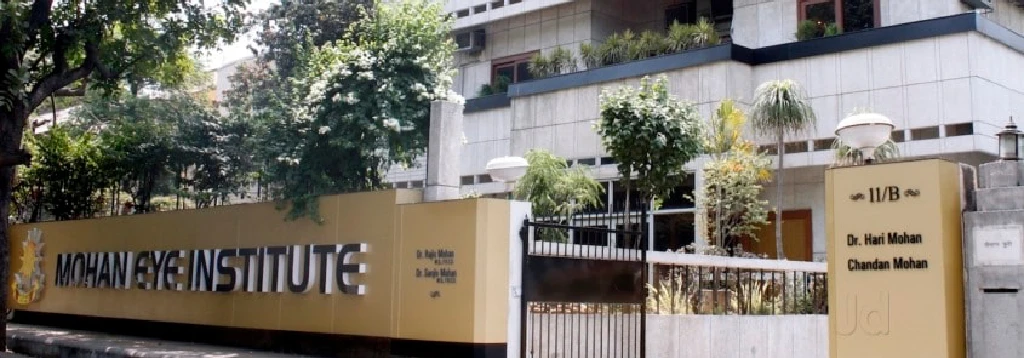
Choosing the right eye hospital in Delhi is one of those decisions that deserves more thought than a quick Google search. Your eyes are not just organs, they are how you see your child’s face, read a book, navigate a busy road, and experience the world. When something feels off – blurry vision, a growing cataract, trouble seeing at night – you want to walk into a place where the doctor actually has time to listen, the technology is current, and the answer you get is honest. This guide is not a promotional piece. It is written to help you make an informed decision, understand what to look for in a specialist depending on your condition, and know what questions to ask before you sit in a consultation chair. Why Delhi Is One of the Best Places in India for Eye Care Delhi is home to some of the most experienced ophthalmologists in the country. Between AIIMS, the government sector, and established private hospitals, the city has developed a dense cluster of eye care expertise over the past five decades. The challenge is not the absence of quality, it is the abundance of options, and knowing how to sort through them. When patients come to Mohan Eye Institute, many tell us the same thing: “I visited two or three hospitals before coming here, and I wasn’t sure who to trust.” That is an honest and understandable feeling. Here’s how to simplify the decision. The One Rule That Should Guide Your Search Match your condition to a specialist, not just a hospital name. A hospital may have an excellent cataract surgeon and an average retina team, or a world-class LASIK programme and limited experience in paediatric squint. The reputation of an institution is a useful starting point, but the subspecialist you see matters more than the sign outside the building. Here is a condition-by-condition breakdown of what to look for. Delhi Top Eye Hospital for Cataract Surgery (Motiyabind Operation) Cataract surgery in Delhi has become remarkably safe and routine, but there is still meaningful variation in outcomes and most of it comes down to three things: the surgeon’s experience with phacoemulsification (stitchless, no-injection technique), the quality of the intraocular lens (IOL) chosen for your eye, and how well the hospital manages the pre-surgery assessment. What to look for: Microincision phacoemulsification – not older techniques requiring stitches A proper biometry evaluation to calculate the exact lens power for your eye A range of premium IOL options – monofocal, toric (for astigmatism), trifocal (for spectacle independence after surgery) 24×7 post-operative support if something feels unusual At Mohan Eye Institute, cataract surgery (White Motiyabind Operation) has been a core pillar of the practice since the institute was founded in 1980 by Dr. Hari Mohan – who was among the early practitioners of advanced phacoemulsification techniques in India. The institute now performs stitchless microincision cataract surgery with a comprehensive range of premium IOLs. When to seek an urgent appointment: If your vision has become noticeably cloudier, you are experiencing significant glare while driving at night, or a previous examination flagged a “mature” or “hypermature” cataract, do not delay. Advanced cataracts are harder to remove safely. Delhi Best Eye Hospital for LASIK Surgery (Specs Removal) LASIK and its more advanced variants like Contoura Vision, SMILE, and bladeless Femto-LASIK have transformed how millions of people live. But the procedure is not one-size-fits-all, and the most important part of the process actually happens before the surgery: the screening. A responsible eye care centre will tell you if you are not a good candidate for LASIK surgery. Thin corneas, dry eye syndrome, keratoconus, and certain prescription ranges require alternative approaches or disqualify surgery altogether. If a centre is eager to schedule your surgery before running thorough topography, pachymetry, and dry eye testing – walk away. What to look for: A dedicated pre-LASIK screening process (usually 1.5–2 hours) before any surgical discussion Bladeless platforms – femtosecond laser for flap creation, excimer laser for correction Clear conversation about LASIK vs. ICL vs. SMILE vs. PRK based on your corneal profile Transparent discussion about dry eye risk, halos, and what “retreatment” means if your power shifts Mohan Eye Institute offers bladeless LASIK with advanced laser vision correction. Importantly, the team follows a strict pre-surgical screening protocol; patients are evaluated for candidacy before a surgical plan is ever discussed. A note on cost: LASIK surgery cost in Delhi can range from roughly ₹12,000 to ₹70,000+ per eye depending on the technology and eye care centre. The cheapest option is rarely the wisest for a permanent procedure on your cornea. Ask exactly which laser platform will be used on your eyes, not just a brand name in the brochure. Delhi Eye Hospital for ICL Surgery ICL (Implantable Collamer Lens) is the right choice for patients who are not suitable for LASIK; typically those with high prescriptions (above -8D or +4D), thin corneas, or significant dry eye. The lens is placed inside the eye in front of the natural lens without removing any corneal tissue. It can also be reversed, unlike LASIK. What to look for: Surgeons specifically trained in phakic IOL implantation Pre-operative assessment of anterior chamber depth and endothelial cell count – these determine candidacy and safety Experience with both spherical and toric ICL (for astigmatism correction) The team at MEI Delhi manages ICL surgery as part of its comprehensive refractive surgery programme, with proper candidate selection protocols. Eye Care Hospital in Delhi for Retina Treatment Retinal conditions – diabetic retinopathy, retinal detachment, macular degeneration, vitreous haemorrhage are among the most vision-threatening emergencies in ophthalmology. The difference between a good outcome and permanent vision loss can be measured in hours, not days. What to look for: A dedicated vitreo-retinal surgeon (not a general ophthalmologist doing occasional retina) In-house OCT (Optical Coherence Tomography) and FFA (Fundus Fluorescein Angiography) – these are essential for accurate diagnosis 24×7 emergency access for sudden floaters, flashes of light, or a “curtain” across your vision these are signs
Lazy Eye (Amblyopia): Symptoms, Causes, Treatment in Delhi

Noticing that one eye is weaker than the other?Does your child tilt their head while reading?Is vision blurry in one eye even with glasses? These may be signs of lazy eye, also called amblyopia. Many people assume lazy eye only affects children, but it can also be noticed in teenagers and adults – especially if it was never treated early. The good news is that evaluation and treatment options are available, depending on the cause and age. This guide explains: What is Lazy Eye (Amblyopia)? Lazy eye, medically known as amblyopia, is reduced vision in one eye because the brain does not properly use that eye. Over time, the brain starts favoring the stronger eye, and the weaker eye’s vision does not develop normally. Lazy eye can affect: It is different from squint, although squint can cause a lazy eye. Lazy Eye Symptoms Lazy eye symptoms may be subtle and sometimes difficult to notice. Common signs include: In children, lazy eye may only be detected during eye checkup. What Causes Lazy Eye? Lazy eye develops when the brain receives unequal visual input from both eyes. Common causes include: Squint (Strabismus) Eyes are not aligned, so the brain ignores one eye. Refractive Error Different power in both eyes. High Power in One Eye One eye sees clearly, the other does not. Droopy Eyelid Blocks vision in one eye. Childhood Cataract Clouding reduces vision in one eye. Vision Obstruction Anything blocking clear vision in early childhood. What Causes Lazy Eye in Adults? Lazy eye in adults usually results from untreated childhood amblyopia.Some adults may only notice it later during eye testing. It may also be associated with: Evaluation helps determine available treatment options. How to Fix a Lazy Eye? Lazy eye treatment depends on: Treatment options may include: An eye specialist decides the most appropriate approach. Lazy Eye Treatment for Children Treatment in children may include: Glasses Correct refractive error Eye Patching Cover stronger eye to stimulate weaker eye Vision Therapy Exercises to improve eye coordination Eye Drops Used in selected cases Early treatment helps improve visual development. Lazy Eye Treatment for Adults Lazy eye treatment in adults depends on evaluation. Options may include: Response to treatment may vary between individuals. Amblyopia Treatment Options Eye specialists may recommend: Glasses To correct unequal vision Patching Therapy Encourages weaker eye use Vision Therapy Improves coordination Eye Drops Used in selected patients Surgery If squint or structural cause present Lazy Eye Surgery Lazy eye itself is usually treated with therapy.Surgery may be considered when: Surgery helps align the eyes. Additional amblyopia therapy may still be required. Lazy Eye Surgery Cost in India Lazy eye surgery cost depends on: Estimated range:₹35,000 – ₹90,000 (may vary) Cost is confirmed after evaluation. When Is It Too Late to Treat Lazy Eye? Lazy eye treatment is most effective in early childhood. However, evaluation is still recommended in older children and adults. Treatment suitability depends on: An eye specialist can guide available options. When Should You See an Eye Specialist? Consult an eye doctor if: Early evaluation helps identify treatment options. Lazy Eye Treatment in Delhi If you are searching for lazy eye treatment in Delhi, evaluation typically includes: People commonly search for: Consulting an experienced eye specialist helps determine suitable treatment. Amblyopia Specialist in Delhi Look for an eye hospital with experience in: A comprehensive eye exam helps decide next steps. FAQs What is lazy eye? Lazy eye, or amblyopia, is reduced vision in one eye because the brain favors the other eye. What is amblyopia? Amblyopia, also called lazy eye, is reduced vision in one eye because the brain does not properly use that eye. It usually develops in childhood when one eye sends weaker visual signals. Is amblyopia the same as lazy eye? Yes. Amblyopia is the medical term for lazy eye. Both refer to reduced vision in one eye due to improper visual development. What is amblyopia eye disease? Amblyopia is a vision development condition where one eye has weaker vision, even though the eye structure may appear normal. What are lazy eye symptoms? What are amblyopia symptoms? Common amblyopia symptoms include: What causes lazy eye? Common causes include: What causes amblyopia? Amblyopia may develop due to: How to fix a lazy eye? Treatment may include: What is amblyopia treatment? Amblyopia treatment focuses on improving vision in the weaker eye and correcting the underlying cause. Options may include glasses, patching, and vision therapy. Can lazy eye be treated in adults? Treatment may be considered in adults depending on cause, age, and severity. An eye specialist can evaluate available options. Amblyopia treatment for adults Treatment options may include: What is lazy eye surgery? Surgery may be considered to correct eye alignment when squint or muscle imbalance is present. What is amblyopia surgery? Amblyopia itself is usually treated with therapy. Surgery may be considered for eye misalignment or structural causes. Who is an amblyopia specialist? An amblyopia specialist is an eye doctor experienced in lazy eye treatment, squint evaluation, pediatric ophthalmology, and vision therapy. How do I choose the best hospital for amblyopia in Delhi? Look for a hospital with pediatric eye specialists, amblyopia evaluation, squint assessment, vision therapy options, and experience in treating both children and adults.
Conjunctivitis (Pink Eye): Types, Symptoms, Causes & Treatment in Delhi
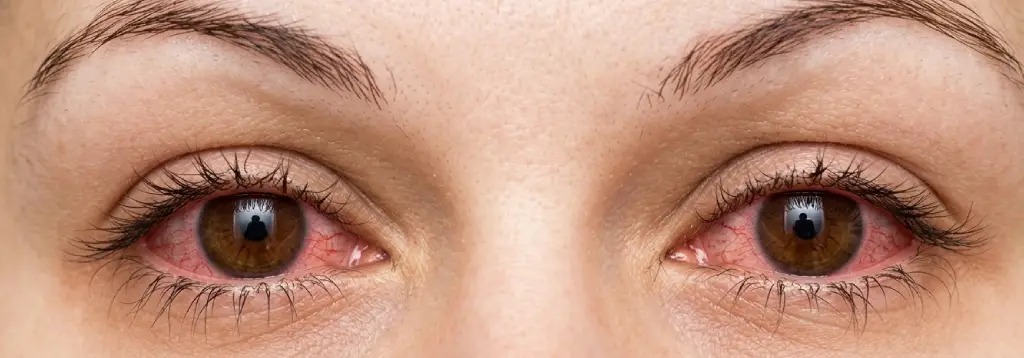
Did your eye suddenly turn red?Are you experiencing itching, watering, or sticky discharge?Is one eye infected and the other starting to feel irritated? You may be dealing with conjunctivitis, commonly called pink eye – one of the most common eye infections affecting both adults and children. The good news?Most cases are treatable, but the right diagnosis matters because treatment depends on the type. This guide explains everything clearly: What Is Conjunctivitis Eye? Conjunctivitis is inflammation of the conjunctiva, the thin transparent layer covering the white part of your eye. When this layer becomes inflamed: It can affect: Eye Conjunctivitis is usually not dangerous, but some types need urgent treatment to prevent complications. Eye Conjunctivitis Symptoms Common symptoms of conjunctivitis eye include: Pink eye symptoms may vary depending on the type of conjunctivitis. Causes of Eye Conjunctivitis Conjunctivitis can be caused by: Viral infection Most common causeHighly contagiousOften spreads through contact Bacterial infection Caused by bacteriaProduces sticky dischargeCan affect both eyes Allergies Triggered by: Other causes Types of Eye Conjunctivitis Understanding the type helps determine the right treatment. Viral Conjunctivitis Most common typeSpreads easilyOften associated with cold or flu Symptoms: Bacterial Conjunctivitis Caused by bacterial infection. Symptoms: Requires antibiotic treatment. Allergic Conjunctivitis Triggered by allergens. Symptoms: Not contagious. Conjunctivitis Treatment Treatment depends on the type of conjunctivitis. Viral Conjunctivitis Treatment Usually resolves on its own in 5–7 days. Treatment includes: Antibiotics are not required for viral conjunctivitis. Bacterial Conjunctivitis Treatment Requires antibiotic eye drops or ointment. Treatment includes: Most cases improve within 2–3 days. Allergic Conjunctivitis Treatment Treatment focuses on allergy control. Treatment includes: Recurring cases need specialist evaluation. When Should You See an Eye Doctor? Visit an eye specialist if: Early treatment prevents spread and complications Best Conjunctivitis Treatment Doctors in Delhi If you are looking for pink eye treatment in Delhi, consult an experienced eye specialist who can: People search for: Choosing a specialized eye hospital ensures accurate diagnosis and faster recovery. Best Eye Hospital for Conjunctivitis Treatment in Delhi A good eye hospital for conjunctivitis treatment should offer: Whether you are in: Consulting an experienced eye specialist helps avoid complications. How to Prevent Conjunctivitis To reduce risk: FAQs – Conjunctivitis Eye What is conjunctivitis? Conjunctivitis, also called pink eye, is inflammation of the conjunctiva – the thin transparent layer covering the white part of the eye and inner eyelids. When this layer becomes inflamed, the eye turns red and irritated. What is allergic conjunctivitis? Allergic conjunctivitis is eye inflammation caused by allergens like dust, pollen, or pollution. It usually affects both eyes and is not contagious. Common symptoms include itching, redness, watering, and swollen eyelids. Treatment includes anti-allergy eye drops, lubricating drops, cold compress, and avoiding triggers. What is viral conjunctivitis? Viral conjunctivitis is a contagious eye infection caused by viruses. It typically starts in one eye and spreads to the other. Symptoms include redness, watery discharge, irritation, and mild swelling. Viral conjunctivitis usually clears in 5–7 days. Treatment includes lubricating drops, cold compress, and proper eye hygiene. What is bacterial conjunctivitis? Bacterial conjunctivitis is an eye infection caused by bacteria. It leads to thick yellow or green discharge, sticky eyelids, and redness. Both eyes may be affected. Treatment includes antibiotic eye drops, eye cleaning, and doctor consultation. Most cases improve within a few days. What is acute conjunctivitis? Acute conjunctivitis is sudden eye redness and irritation that develops quickly. It may be viral, bacterial, or allergic. Symptoms include redness, watering, discharge, and discomfort. Acute conjunctivitis usually lasts less than 1–2 weeks and improves with appropriate treatment. What is vernal conjunctivitis? Vernal conjunctivitis is a severe form of allergic conjunctivitis, common in children and young adults. Symptoms include intense itching, redness, thick mucus discharge, and light sensitivity. It often worsens in summer. Treatment includes anti-allergy drops, lubricants, and doctor-prescribed medication. What is follicular conjunctivitis? Follicular conjunctivitis is a type of conjunctivitis with small round follicles inside the eyelid. It is usually caused by viral infection or chlamydia. Symptoms include redness, watering, and irritation. Treatment depends on the cause and may include lubricating drops or antibiotics. Follicular conjunctivitis vs papillary conjunctivitis Follicular conjunctivitis Papillary conjunctivitis What is the treatment for conjunctivitis? Conjunctivitis treatment depends on the type: Early treatment helps prevent spread and complications. What is pink eye treatment? Pink eye treatment includes eye drops, hygiene care, and doctor consultation depending on whether it is viral, bacterial, or allergic. How long does conjunctivitis last? Viral conjunctivitis lasts 5–7 days. Bacterial conjunctivitis improves within 2–3 days with treatment. Is conjunctivitis contagious? Viral and bacterial conjunctivitis are contagious. Allergic conjunctivitis is not contagious. Can conjunctivitis affect both eyes? Yes. It often starts in one eye and spreads to the other. What is the best treatment for bacterial conjunctivitis? Antibiotic eye drops prescribed by an eye doctor are the best treatment. What is allergic conjunctivitis treatment? Anti-allergy eye drops, artificial tears, and avoiding allergens help treat allergic conjunctivitis.
Diabetic Eye Disease: Symptoms, Causes, & Treatment
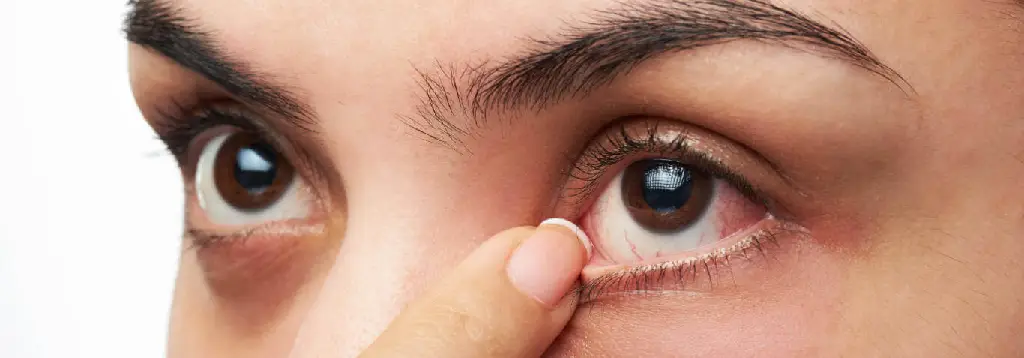
What Is Diabetic Eye Disease? Symptoms, Causes & Treatment If you are living with diabetes, your eyes need extra care. Many people don’t realize that diabetes can quietly damage vision long before any pain or obvious symptoms appear. This condition is known as diabetic eye disease, and it is one of the leading causes of vision problems worldwide – yet it is highly preventable when detected early. Let’s break it down simply, without medical jargon, so you know exactly what to watch for and when to act. What Is Diabetic Eye Disease? Diabetic eye disease is a group of eye problems caused by long-term high blood sugar levels. Over time, excess sugar damages the tiny blood vessels in the eyes, especially in the retina – the light-sensitive layer at the back of the eye. These changes can slowly affect vision and, if ignored, may even lead to permanent vision loss. The most common diabetic eye problems include: The concerning part? Many people have no symptoms in the early stages. What Causes Diabetic Eye Disease? The main cause of diabetic eye disease is poor or long-standing blood sugar control. However, several factors increase the risk: When blood sugar stays high, it weakens the blood vessels in the eyes. These vessels may leak, swell, or get blocked – slowly affecting vision. Early Signs of Diabetic Eye Disease You Shouldn’t Ignore In the early stages, diabetic eye disease often has no noticeable symptoms, which is why routine eye checks are so important. As the condition progresses, common diabetic eye problems signs and symptoms include: If you notice any of these symptoms, it’s time to consult a diabetic eye specialist immediately. Why Diabetic Eye Screening Is So Important Many patients ask, “My vision feels fine – do I still need an eye check?”The answer is yes. A comprehensive diabetic eye screening can detect damage before vision is affected. Early diagnosis allows doctors to slow or stop progression and protect eyesight. Experts recommend: Treatment for Diabetic Eye Disease The treatment for diabetic eye problems depends on the stage of the disease. Early diabetic eye disease may only require monitoring and better sugar control. Advanced stages may need medical intervention. Common treatment options include: The key message is simple: early diabetic eye treatment works best. Can Diabetic Eye Disease Be Prevented? While diabetes cannot always be avoided, vision loss often can. Simple steps that protect your eyes include: Choosing the Right Eye Hospital Matters Managing diabetic eye disease requires experience, advanced diagnostics, and long-term follow-up. Choosing the best eye hospital for diabetic retinopathy in India or a trusted center locally can make a major difference in outcomes. If you are searching for the best eye hospital for diabetic eye treatment in Delhi, centres like Mohan Eye Institute offer specialized diabetic eye care, advanced screening tools, and expert retinal specialists – all under one roof. Final Thought Diabetic eye disease doesn’t appear overnight, and it doesn’t have to steal your vision. With awareness, regular screening, and timely treatment, most vision loss can be prevented. If you or a loved one has diabetes, don’t wait for symptoms. Protect your vision early, because your eyes deserve lifelong care. FAQs: Diabetic Eye Disease What is diabetic eye disease? Diabetic eye disease is a condition where high blood sugar damages the blood vessels in the eyes. Over time, this can affect vision and may lead to diabetic retinopathy, swelling of the retina, or vision loss if not treated early. What are the early signs of diabetic eye disease? Early signs of diabetic eye disease may be very mild or not noticeable at all. Common early symptoms include blurry vision, frequent change in spectacle number, floaters, difficulty seeing at night, or eye strain. Can diabetic eye disease occur without symptoms? Yes. In many cases, diabetic eye disease develops silently without pain or visible symptoms. That is why regular diabetic eye screening is essential, even if your vision feels normal. When should I see a diabetic eye specialist? You should consult a diabetic eye specialist if you have diabetes for more than 5 years, notice vision changes, see floaters, experience blurred vision, or have never had a diabetic eye screening. Which is the best eye hospital for diabetic eye treatment in Delhi? Choosing a hospital with experienced retinal specialists and advanced diagnostic facilities is crucial. Leading centres like Mohan Eye Institute are known for comprehensive diabetic eye screening and treatment in Delhi.
Children’s Eye Health: Common Eye Problems, Symptoms & Care

Children’s Eye Health: Common Eye Problems, Symptoms & Care Every Parent Should Know As a parent, you notice everything about your child, how they eat, sleep, study, and play. But one thing that often goes unnoticed is your child’s eye health. Children rarely complain clearly about vision problems, and many eye issues develop silently. If your child spends long hours on mobile phones, tablets, or laptops, rubs their eyes often, or struggles with reading, it may be more than just tiredness. Let’s talk openly about children’s eye health, the most common eye problems in kids, and how you can protect your child’s vision early. Why Children’s Eye Health Deserves More Attention Good vision plays a major role in a child’s learning, confidence, and overall development. Almost 80% of learning in early years is visual, yet many eyesight problems in children go undetected because kids don’t always know how to explain what they’re experiencing. Parents usually come to a clinic saying: These are often early signs of eye problems in kids. Common Eye Problems in Kids Some eye problems are very common during childhood and can affect school performance and daily activities if not treated on time. 1. Refractive Errors (Need for Glasses) This includes short-sightedness (myopia), long-sightedness, and astigmatism. Children may not say “I can’t see clearly,” but their behavior gives clues. 2. Digital Eye Strain Due to Mobile Screens Excessive mobile screen time in children causes digital eye strain, especially with online classes, gaming, and reels. 3. Eye Allergies & Infections Redness, itching, watery eyes, and frequent eye rubbing are common, especially during seasonal changes. 4. Lazy Eye or Squint These conditions often start early and respond best when treated at a young age. Symptoms of Eye Problems in Kids Parents Should Watch For Children may not say “my eyes hurt,” but they show it in other ways. Eye problems in child symptoms often include: These child eye problems symptoms should never be ignored. Eye Problems in Children Due to Mobile & Screen Time One of the biggest concerns today is eye problems in kids due to mobile phones. Symptoms of Too Much Screen Time on Eyes These are classic eye strain child symptoms, commonly grouped as Digital Eye Strain in children. How Parents Can Protect Children’s Eye Health Good children eye care starts at home with simple habits: Most importantly, schedule regular eye check-ups for children. When Should Your Child Have an Eye Check-Up? Many parents wait until a problem becomes obvious. But experts recommend: A routine eye check-up for children can detect problems long before they affect vision permanently. Why Seeing a Pediatric Eye Specialist Matters Children’s eyes are still developing. That’s why evaluation by a pediatric eye specialist is important. They understand how children respond, how vision develops, and how to detect subtle issues early. If you’re looking for a trusted pediatric eye specialist in Delhi, centres like Mohan Eye Institute provide comprehensive eye screening for children, experienced specialists, and child-friendly diagnostics – helping parents get clarity and peace of mind. Final Message for Parents Your child may not complain loudly about eye problems, but their eyes may still be struggling. Early care makes a lifelong difference. If your child has frequent screen exposure, headaches, or vision-related difficulties, don’t wait. Healthy eyes today mean confident learning tomorrow. FAQs: Children’s Eye Health What is eye strain in a child? Eye strain in children happens when the eyes are tired from long screen use, reading without breaks, or poor lighting. It commonly causes headaches, burning eyes, blurred vision, and frequent eye rubbing. What are the common symptoms of eye problems in kids? Common child eye problem symptoms include blurry vision, headaches, sitting close to screens, watery or red eyes, difficulty reading, and tired eyes after screen use. When should I take my child for an eye check-up? You should get an eye check-up if your child complains of headaches, blurry vision, eye strain, or uses screens daily. Even without symptoms, annual eye exams are recommended. Can too much mobile screen time affect a child’s eyesight? Yes. Excessive mobile screen time can cause digital eye strain, headaches, dry eyes, and may worsen eyesight over time if breaks and eye check-ups are ignored. What is the 20-20-20 rule for eyes? The 20-20-20 rule for eyes is a simple and effective way to reduce eye strain in children, especially from mobile phones, tablets, and online classes. It means: This short break helps relax the eye muscles, reduces dryness, and prevents digital eye strain caused by excessive screen time in children. Parents can make it fun by asking children to look out of a window, at a tree, or across the room. Following the 20-20-20 rule for eyes regularly can significantly protect children’s eyesight in today’s screen-heavy lifestyle. Which is the best child eye specialist in Delhi? A good child eye specialist in Delhi is one who offers child-friendly eye exams, early diagnosis, and long-term vision care. Trusted centres like Mohan Eye Institute provide specialised pediatric eye care in Delhi. Which is the best child eye hospital in Delhi? The best child eye hospital in Delhi is one that offers complete eye screening, treatment for vision problems, and care for digital eye strain in children under one roof with experienced specialists.
Red Eyes: What Causes, Symptoms & Treatment

Dry Eye Syndrome and Symptoms If you’ve looked in the mirror and wondered, “What causes red eyes?” or “Why are my eyes red?”, you’re not alone. Red eyes are one of the most common eye complaints and also one of the most confusing. Sometimes it’s just tired eyes. Other times, it could be a sign of an eye condition that needs attention. Let’s understand what causes red eyes, how to recognise symptoms, and what you can do to treat and prevent eye redness clearly, calmly, and without medical jargon. What Causes Red Eyes? The most common reason eyes turn red is inflammation or irritation of the blood vessels on the eye surface. When these vessels expand, the eyes appear red. Some of the most common causes of red eyes include: So if you’re asking, “What is the reason for red eyes?”The answer depends on your symptoms and how long the redness lasts. Red Eyes Symptoms You Should Notice Redness can appear alone or with other symptoms. Red eyes symptoms may include: These red eye disease symptoms help doctors understand whether the problem is mild or needs treatment. Why Eyes Become Red Suddenly Many patients say, “My eyes were fine yesterday—why are they red today?” Sudden red eyes can be caused by: In most cases, redness settles with proper eye care – but not always. Red Eye Disease: When Is Redness Serious? While many cases are harmless, red eye disease refers to conditions where redness is a sign of infection or inflammation. Visit your nearest eye clinic or consult an eye doctor immediately if redness is accompanied by: These symptoms may indicate conjunctivitis, uveitis, corneal infection, or other eye conditions. How to Reduce Eye Redness at Home If symptoms are mild, you can try simple measures to reduce eye redness: These steps often help when redness is due to dryness or eye strain. How to Cure Red Eyes: When Treatment Is Needed Many people ask, “How to cure red eyes?”The answer depends on the cause. Red Eye Treatment May Include: Red eye causes and treatment must always be matched correctly. Using the wrong drops can sometimes worsen the problem, which is why self-medication should be avoided. When Should You See an Eye Doctor? You should consult an eye specialist if: Early evaluation helps prevent complications and speeds up recovery. Choosing the Best Eye Specialist in Delhi Not all red eyes are the same, and accurate diagnosis matters. When choosing an eye specialist, look for: Mohan Eye Institute offers comprehensive eye care in Delhi and specialised eye treatment, ensuring the cause is treated, not just the symptom. Best Eye Hospital in Delhi for Red Eye Treatment The best eye hospital in Delhi for red eye treatment is one that provides: If redness is due to dryness, allergy, infection, or inflammation, expert guidance ensures faster relief and protects long-term eye health. Final Takeaway Red eyes are common, but they shouldn’t be ignored. While mild redness often settles with rest and care, persistent or painful redness needs professional attention. If you’re frequently asking “why are my eyes red?”, it’s time to listen to your eyes. Early care keeps your vision clear, comfortable, and healthy. FAQs: What Causes Red Eyes? What causes red eyes most commonly? Red eyes are most commonly caused by eye strain, dry eyes, allergies, lack of sleep, excessive screen use, dust, smoke, or pollution. These irritate the eye surface and make blood vessels appear red. What is the reason for red eyes? Red eyes usually occur when the small blood vessels on the surface of the eye become irritated or inflamed. Common reasons include eye strain from screens, dry eyes, lack of sleep, allergies, dust or pollution, rubbing the eyes, or eye infections. Why do eyes become red after screen use? Long screen hours reduce blinking, which dries the eyes. This leads to irritation and redness, especially when using mobiles or laptops without breaks. Can lack of sleep cause red eyes? Yes. Poor or insufficient sleep can make the eyes dry and irritated, causing redness and discomfort the next day. Can dry eyes cause redness? Yes. Dry eyes are one of the most common reasons for red eyes. When the eyes are not properly lubricated, they become irritated and red. Do allergies cause red eyes? Yes. Eye allergies can cause redness, itching, watering, and irritation, especially during seasonal changes or exposure to dust and pollen. Can eye infections cause red eyes? Yes. Infections such as conjunctivitis can cause red eyes along with discharge, swelling, and discomfort. These cases usually need medical treatment. When is red eye a serious problem? Red eyes are serious if accompanied by eye pain, blurred vision, sensitivity to light, discharge, or redness that does not improve within 1–2 days. Medical evaluation is important in these cases. Should I see a doctor for red eyes? You should visit your nearest eye clinic or consult an eye doctor if redness keeps returning, causes pain or vision changes, or does not improve with rest and basic care. Which is the best eye hospital in Delhi for red eye treatment? The best eye hospital is one that offers accurate diagnosis, experienced eye specialists, and personalised eye treatment in Delhi. Mohan Eye Institute provides comprehensive eye care in Delhi.
Understanding Blurred Vision, Cloudiness & Cornea Transplant
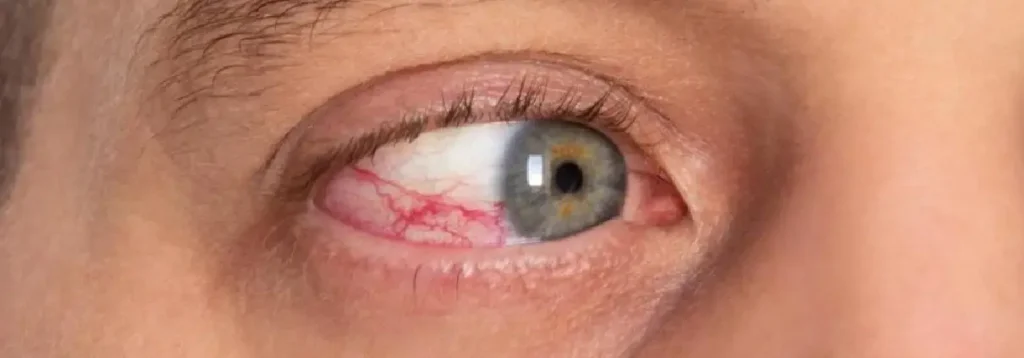
Your Vision Matters: Understanding Blurred Vision, Cloudiness & Cornea Transplant Options Many people who experience blurred vision, cloudy eyesight, recurring eye redness, or corneal scarring feel confused and anxious about what is happening to their eyes. We hear the same questions from patients every day: “Why is my vision suddenly getting blurry?” “What exactly is the cornea?” “Is a corneal transplant safe?” “Where can I find the best cornea specialist in Delhi?” You deserve clear, simple answers so you can understand your condition and make informed decisions about your eye health. At Mohan Eye Institute, our team has treated thousands of patients with corneal diseases at our Delhi-based eye hospital. This guide has been created to help you understand the cornea symptoms, causes, and treatment, and when a transplant is truly needed. What Is the Cornea? The cornea is the clear, curved front surface of your eye. You can think of it as your eye’s transparent shield. It performs two crucial functions: 1. It focuses light so you can see clearly. The cornea bends and directs incoming light toward the retina, giving you sharp vision. 2. It protects your eye from dust, germs, and injury. It acts like a natural defense barrier. When the cornea becomes scarred, swollen, infected, or misshaped, vision becomes blurry and glasses usually cannot correct it. This is why so many people search for: “what is cornea in eye,” “cornea symptoms and treatment,” “cornea causes,” and “best eye hospital in Delhi for cornea problems.” Why Do Corneal Problems Develop? Corneal diseases can occur for a variety of reasons, including: Keratoconus A progressive condition that causes the cornea to become thin and cone-shaped. Infections Bacterial, fungal, or viral infections that damage the cornea. Severe dryness or inflammation When untreated, they can lead to corneal damage. Injuries or chemical exposure Accidents and trauma can cause corneal scarring. Genetic corneal dystrophies Inherited conditions that affect corneal clarity. Post-surgery complications Rare, but possible after certain procedures. Early diagnosis helps prevent permanent damage and may even avoid the need for a transplant. Corneal Symptoms You Should Pay Attention To Many patients come to us after searching online for cornea symptoms, blurry eyes, cloudy vision, eye strain, and halo effects. Common symptoms include: Blurry or hazy vision Sudden change in eyesight Redness or irritation Eye pain or heaviness Sensitivity to light Halos around lights Poor night vision Excessive tearing If you notice these symptoms for more than 2–3 days, you should see a cornea specialist in Delhi before the condition becomes more serious. How Are Corneal Diseases Treated? Your treatment depends on the root cause of the problem. At Mohan Eye Institute, we follow a structured, expert-led approach: 1. Medicines & Eye Drops To treat infections, swelling, dryness, and inflammation. 2. Specialized Contact Lenses Scleral or rigid gas-permeable (RGP) lenses are used for keratoconus and irregular corneas. 3. Minimally Invasive Procedures Corneal collagen cross-linking (CXL), superficial keratectomy, etc. 4. Cornea Transplant Surgery Required when the cornea is severely damaged or scarred. What Is a Corneal Transplant? Is the Surgery Safe? A corneal transplant is a surgical procedure where the damaged cornea is replaced with a healthy donor cornea to help restore clear vision. At Mohan Eye Institute, we perform all modern transplant techniques, including: Penetrating Keratoplasty (PK) DALK (Deep Anterior Lamellar Keratoplasty) DSEK / DMEK (Endothelial Transplants) Emergency cornea transplants for injuries or infections All procedures are performed using advanced microscopes, sterile OT environments, and highly experienced cornea surgeons, ensuring excellent safety and outcomes. Why Patients Across India Trust Mohan Eye Institute for Highly Experienced Cornea Specialists Our surgeons have decades of experience treating complex corneal diseases and performing transplants. Dedicated Eye Bank Ensures safe, high-quality donor corneas for better surgical success. Advanced Technology & OT Standards State-of-the-art microsurgical instruments and imaging systems. Complete Care Under One Roof From diagnosis to surgery to post-operative follow-ups. Known as One of Delhi’s Top Eye Hospitals Especially for advanced cornea treatment and transplant surgery. When Should You Visit a Cornea Specialist? Do not delay a consultation if you experience: Vision that doesn’t improve with glasses Scarring from infection or injury Cloudy or distorted vision Halos and glare affecting daily tasks Persistent eye redness or discomfort Early evaluation protects you from long-term vision loss. Take the First Step Towards Clear Vision If your doctor has recommended a corneal evaluation, or you’re noticing symptoms that concern you, don’t wait. Book an appointment with a Cornea Specialist at Mohan Eye Institute. Your eyes deserve expert care and timely treatment. FAQs: Cornea Symptoms & Treatment. 1. What is the cornea? It’s the transparent front layer of the eye that helps you see clearly and protects the eye. 2. What does the cornea do? It focuses light and shields the eye from dust, germs, and injury. 3. Who is the best cornea doctor in Delhi? A doctor with extensive experience in corneal diseases and transplant surgery. Mohan Eye Institute’s senior specialists are among the most trusted in Delhi. 4. Which is the best cornea hospital in Delhi? A hospital with expert surgeons, advanced diagnostics, and high transplant success rates. Mohan Eye Institute is widely recognized for cornea care and transplants. 5. What is cornea treatment? Depending on the condition, treatment may include medicines, special lenses, minimally invasive procedures, or a corneal transplant. 6. What is a corneal transplant? A surgery where a damaged or diseased cornea is replaced with a donor cornea to restore vision. 7. What are symptoms and treatment for corneal disease? Symptoms include blurred vision, redness, pain, and light sensitivity. Treatment ranges from drops to surgery. 8. What are signs of corneal disease? Cloudiness, halos, discomfort, or sudden vision changes require immediate evaluation.
Best Hospital for Glaucoma Treatment in Delhi
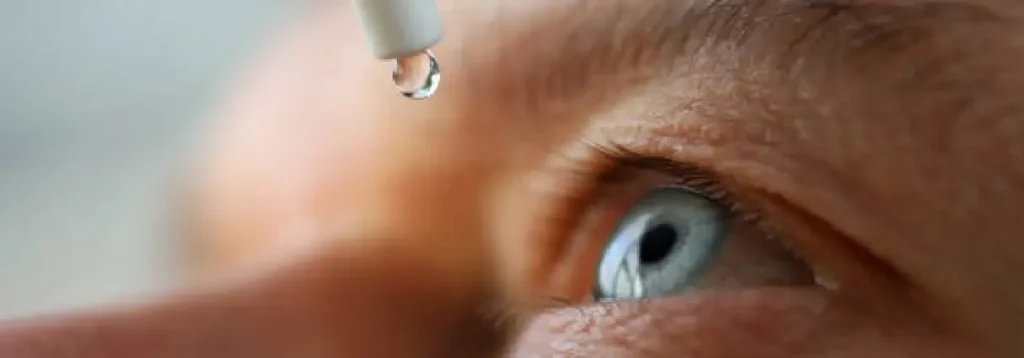
Which is the Best Eye Hospital for Glaucoma Treatment in Delhi? If you or a loved one has been diagnosed with high eye pressure or early signs of glaucoma, you’ve probably searched: “Best eye hospital in Delhi for glaucoma” “Best glaucoma doctor in Delhi” “Best glaucoma treatment in Delhi” “Glaucoma surgery in Delhi” For over 40 years, patients have trusted Mohan Eye Institute, one of the best eye hospital in Delhi for glaucoma treatment, offering early detection, medical management, laser therapy, and advanced glaucoma surgeries under one roof. Why Choose MEI for Glaucoma Treatment in Delhi? Best Glaucoma Specialists in Delhi: Our team includes some of the best glaucoma specialist doctors in Delhi, experienced in managing complex cases and preventing vision loss. Advanced Diagnostic Tools: We use tonometry, optic nerve imaging, visual field analysis, and OCT to detect glaucoma early and monitor its progression accurately. Comprehensive Glaucoma Treatment: From eye drops and laser therapies (SLT, YAG) to advanced glaucoma surgery in Delhi like trabeculectomy and drainage implants, we provide complete care. Personalized Care for Long-Term Vision Protection: Glaucoma is known as the “silent thief of sight”. We focus on customized treatment plans to preserve your vision for life. Who Should Get Glaucoma Screening? People above 40 years of age Individuals with family history of glaucoma Patients with diabetes, hypertension, or high myopia Anyone experiencing eye pain, halos, or gradual loss of peripheral vision Early detection and regular monitoring can prevent permanent vision loss. Why Patients Seek Our Glaucoma Care Fear of permanent blindness due to glaucoma Confusion about lifelong eye drops or surgery requirements Difficulty finding a reliable glaucoma expert in Delhi Emotional stress of living with a chronic condition We provide detailed counseling, transparent communication, and compassionate support, ensuring patients feel confident and informed about their treatment journey. Why is Mohan Eye Institute the Best Choice for Glaucoma Treatment in Delhi? 40+ years of trusted eye care excellence Dedicated glaucoma specialists using modern laser and surgical techniques Central location in Karol Bagh, easily accessible from Dwarka, South Delhi, and NCR Thousands of satisfied patients whose vision has been preserved When people search for “best glaucoma doctor in Delhi” or “glaucoma specialist doctor in Delhi”, MEI stands out as a trusted and ethical hospital choice. FAQs – Glaucoma Treatment in Delhi 1. What is the best eye hospital in Delhi for glaucoma treatment? Mohan Eye Institute is recognized among the best eye hospital in Delhi for glaucoma treatment, offering early detection, advanced laser therapy, and glaucoma surgeries with experienced specialists. 2. Who is the best glaucoma doctor in Delhi? Our team includes highly skilled glaucoma specialist doctors in Delhi, trained to manage complex cases and perform advanced glaucoma surgery in Delhi with precision. 3. Is glaucoma treatment painful? Most glaucoma treatments, including laser therapies, are painless. Surgical options are performed under anesthesia for maximum comfort and safety. 4. Can glaucoma be cured completely? Glaucoma cannot be reversed, but early detection and proper treatment prevent vision loss and maintain a good quality of life. 5. How much does glaucoma treatment cost in Delhi? The cost of glaucoma treatment in Delhi depends on whether you need eye drops, laser therapy, or glaucoma surgery in Delhi. Mohan Eye Institute offers transparent pricing and insurance support. 6. Why choose Mohan Eye Institute for glaucoma treatment? Because we combine expert glaucoma doctors, advanced diagnostics, modern surgical techniques, and compassionate care, making us one of the best hospital for glaucoma treatment in Delhi. Looking for the Best Glaucoma Specialist in Delhi? Don’t wait until vision loss becomes irreversible. Book your glaucoma consultation today at Mohan Eye Institute and protect your sight for life with the best glaucoma treatment in Delhi.