
Your Vision Matters: Understanding Blurred Vision, Cloudiness & Cornea Transplant Options
Many people who experience blurred vision, cloudy eyesight, recurring eye redness, or corneal scarring feel confused and anxious about what is happening to their eyes. We hear the same questions from patients every day:
“Why is my vision suddenly getting blurry?”
“What exactly is the cornea?”
“Is a corneal transplant safe?”
“Where can I find the best cornea specialist in Delhi?”
You deserve clear, simple answers so you can understand your condition and make informed decisions about your eye health.
At Mohan Eye Institute, our team has treated thousands of patients with corneal diseases at our Delhi-based eye hospital. This guide has been created to help you understand the cornea symptoms, causes, and treatment, and when a transplant is truly needed.
What Is the Cornea?
The cornea is the clear, curved front surface of your eye. You can think of it as your eye’s transparent shield. It performs two crucial functions:
1. It focuses light so you can see clearly.
The cornea bends and directs incoming light toward the retina, giving you sharp vision.
2. It protects your eye from dust, germs, and injury.
It acts like a natural defense barrier.
When the cornea becomes scarred, swollen, infected, or misshaped, vision becomes blurry and glasses usually cannot correct it.
This is why so many people search for:
“what is cornea in eye,” “cornea symptoms and treatment,” “cornea causes,” and “best eye hospital in Delhi for cornea problems.”
Why Do Corneal Problems Develop?
Corneal diseases can occur for a variety of reasons, including:
Keratoconus
A progressive condition that causes the cornea to become thin and cone-shaped.
Infections
Bacterial, fungal, or viral infections that damage the cornea.
Severe dryness or inflammation
When untreated, they can lead to corneal damage.
Injuries or chemical exposure
Accidents and trauma can cause corneal scarring.
Genetic corneal dystrophies
Inherited conditions that affect corneal clarity.
Post-surgery complications
Rare, but possible after certain procedures.
Early diagnosis helps prevent permanent damage and may even avoid the need for a transplant.
Corneal Symptoms You Should Pay Attention To
Many patients come to us after searching online for cornea symptoms, blurry eyes, cloudy vision, eye strain, and halo effects.
Common symptoms include:
- Blurry or hazy vision
- Sudden change in eyesight
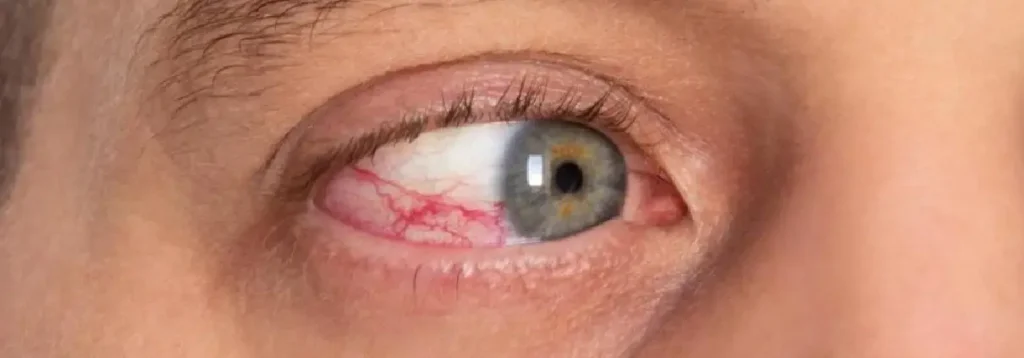
- Redness or irritation
- Eye pain or heaviness
- Sensitivity to light
- Halos around lights
- Poor night vision
- Excessive tearing
If you notice these symptoms for more than 2–3 days, you should see a cornea specialist in Delhi before the condition becomes more serious.
How Are Corneal Diseases Treated?
Your treatment depends on the root cause of the problem. At Mohan Eye Institute, we follow a structured, expert-led approach:
1. Medicines & Eye Drops
To treat infections, swelling, dryness, and inflammation.
2. Specialized Contact Lenses
Scleral or rigid gas-permeable (RGP) lenses are used for keratoconus and irregular corneas.
3. Minimally Invasive Procedures
Corneal collagen cross-linking (CXL), superficial keratectomy, etc.
4. Cornea Transplant Surgery
Required when the cornea is severely damaged or scarred.
What Is a Corneal Transplant? Is the Surgery Safe?
A corneal transplant is a surgical procedure where the damaged cornea is replaced with a healthy donor cornea to help restore clear vision.
At Mohan Eye Institute, we perform all modern transplant techniques, including:
- Penetrating Keratoplasty (PK)
- DALK (Deep Anterior Lamellar Keratoplasty)
- DSEK / DMEK (Endothelial Transplants)
Emergency cornea transplants for injuries or infections
All procedures are performed using advanced microscopes, sterile OT environments, and highly experienced cornea surgeons, ensuring excellent safety and outcomes.
Why Patients Across India Trust Mohan Eye Institute for Highly Experienced Cornea Specialists
Our surgeons have decades of experience treating complex corneal diseases and performing transplants.
- Dedicated Eye Bank
- Ensures safe, high-quality donor corneas for better surgical success.
- Advanced Technology & OT Standards
- State-of-the-art microsurgical instruments and imaging systems.
Complete Care Under One Roof
- From diagnosis to surgery to post-operative follow-ups.
- Known as One of Delhi’s Top Eye Hospitals
- Especially for advanced cornea treatment and transplant surgery.
When Should You Visit a Cornea Specialist?
Do not delay a consultation if you experience:
- Vision that doesn’t improve with glasses
- Scarring from infection or injury
- Cloudy or distorted vision
- Halos and glare affecting daily tasks
- Persistent eye redness or discomfort
- Early evaluation protects you from long-term vision loss.
- Take the First Step Towards Clear Vision
- If your doctor has recommended a corneal evaluation, or you’re noticing symptoms that concern you, don’t wait.
Book an appointment with a Cornea Specialist at Mohan Eye Institute.
Your eyes deserve expert care and timely treatment.
FAQs: Cornea Symptoms & Treatment.
1. What is the cornea?
It’s the transparent front layer of the eye that helps you see clearly and protects the eye.
2. What does the cornea do?
It focuses light and shields the eye from dust, germs, and injury.
3. Who is the best cornea doctor in Delhi?
A doctor with extensive experience in corneal diseases and transplant surgery. Mohan Eye Institute’s senior specialists are among the most trusted in Delhi.
4. Which is the best cornea hospital in Delhi?
A hospital with expert surgeons, advanced diagnostics, and high transplant success rates. Mohan Eye Institute is widely recognized for cornea care and transplants.
5. What is cornea treatment?
Depending on the condition, treatment may include medicines, special lenses, minimally invasive procedures, or a corneal transplant.
6. What is a corneal transplant?
A surgery where a damaged or diseased cornea is replaced with a donor cornea to restore vision.
7. What are symptoms and treatment for corneal disease?
Symptoms include blurred vision, redness, pain, and light sensitivity. Treatment ranges from drops to surgery.
8. What are signs of corneal disease?
Cloudiness, halos, discomfort, or sudden vision changes require immediate evaluation.