
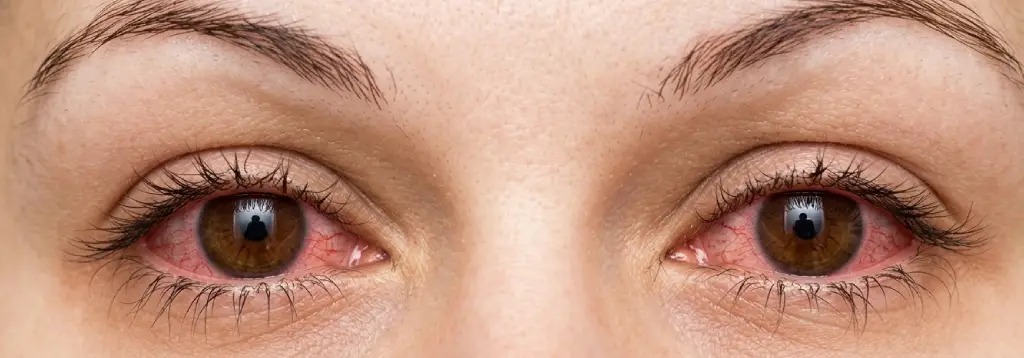
Did your eye suddenly turn red?
Are you experiencing itching, watering, or sticky discharge?
Is one eye infected and the other starting to feel irritated?
You may be dealing with conjunctivitis, commonly called pink eye – one of the most common eye infections affecting both adults and children.
The good news?
Most cases are treatable, but the right diagnosis matters because treatment depends on the type.
This guide explains everything clearly:
- What is eye conjunctivitis
- Symptoms of pink eye
- Causes of conjunctivitis
- Types (viral, bacterial, allergic)
- Best treatment options
- When to see a doctor
- Best conjunctivitis treatment in Delhi
What Is Conjunctivitis Eye?
Conjunctivitis is inflammation of the conjunctiva, the thin transparent layer covering the white part of your eye.
When this layer becomes inflamed:
- Eye turns red
- Watering increases
- Discharge may appear
- Irritation or itching starts
It can affect:
- One eye
- Both eyes
- Spread from one eye to another
Eye Conjunctivitis is usually not dangerous, but some types need urgent treatment to prevent complications.
Eye Conjunctivitis Symptoms
Common symptoms of conjunctivitis eye include:
- Redness in the eye
- Itching or irritation
- Watering eyes
- Sticky discharge
- Yellow or green pus (bacterial)
- Burning sensation
- Swollen eyelids
- Crusting on eyelashes (especially morning)
- Light sensitivity
- Feeling like something in the eye
Pink eye symptoms may vary depending on the type of conjunctivitis.
Causes of Eye Conjunctivitis
Conjunctivitis can be caused by:
Viral infection
Most common cause
Highly contagious
Often spreads through contact
Bacterial infection
Caused by bacteria
Produces sticky discharge
Can affect both eyes
Allergies
Triggered by:
- Dust
- Pollution
- Pollen
- Pet dander
- Seasonal allergies
Other causes
- Contact lens misuse
- Chemical exposure
- Smoke or pollution
- Eye injury
Types of Eye Conjunctivitis
Understanding the type helps determine the right treatment.
Viral Conjunctivitis
Most common type
Spreads easily
Often associated with cold or flu
Symptoms:
- Watery discharge
- Red eyes
- Mild irritation
- One eye then both
Bacterial Conjunctivitis
Caused by bacterial infection.
Symptoms:
- Thick yellow discharge
- Sticky eyes
- Eyelids stuck in morning
- Both eyes affected
Requires antibiotic treatment.
Allergic Conjunctivitis
Triggered by allergens.
Symptoms:
- Severe itching
- Watery eyes
- Swollen eyelids
- Both eyes affected
- Seasonal recurrence
Not contagious.
Conjunctivitis Treatment
Treatment depends on the type of conjunctivitis.
Viral Conjunctivitis Treatment
Usually resolves on its own in 5–7 days.
Treatment includes:
- Lubricating eye drops
- Cold compress
- Eye hygiene
- Avoid touching eyes
- Doctor consultation if severe
Antibiotics are not required for viral conjunctivitis.
Bacterial Conjunctivitis Treatment
Requires antibiotic eye drops or ointment.
Treatment includes:
- Antibiotic eye drops
- Eye cleaning
- Warm compress
- Avoid sharing towels
- Doctor consultation
Most cases improve within 2–3 days.
Allergic Conjunctivitis Treatment
Treatment focuses on allergy control.
Treatment includes:
- Anti-allergy eye drops
- Artificial tears
- Cold compress
- Avoid allergens
- Oral antihistamines (if needed)
Recurring cases need specialist evaluation.
When Should You See an Eye Doctor?
Visit an eye specialist if:
- Symptoms last more than 2 days
- Vision becomes blurry
- Eye pain increases
- Thick discharge continues
- Light sensitivity increases
- Child has conjunctivitis
- Infection keeps returning
Early treatment prevents spread and complications
Best Conjunctivitis Treatment Doctors in Delhi
If you are looking for pink eye treatment in Delhi, consult an experienced eye specialist who can:
- Diagnose the type
- Start proper medication
- Prevent spread
- Check for complications
- Provide fast relief
People search for:
- conjunctivitis treatment doctors in Delhi
- pink eye treatment hospital in Delhi
- best eye hospital for conjunctivitis
- eye infection specialist Delhi
Choosing a specialized eye hospital ensures accurate diagnosis and faster recovery.
Best Eye Hospital for Conjunctivitis Treatment in Delhi
A good eye hospital for conjunctivitis treatment should offer:
- Same day consultation
- Experienced eye specialists
- Proper diagnosis
- Infection control
- Child & adult treatment
- Emergency eye care
- Advanced eye examination
Whether you are in:
- South Delhi
- West Delhi
- Dwarka
- Karol Bagh
- Safdarjung
- Connaught Place
- Gurgaon / Noida
Consulting an experienced eye specialist helps avoid complications.
How to Prevent Conjunctivitis
To reduce risk:
- Wash hands frequently
- Avoid touching eyes
- Do not share towels
- Avoid eye makeup sharing
- Clean contact lenses properly
- Avoid rubbing eyes
- Stay away from infected person
FAQs – Conjunctivitis Eye
What is conjunctivitis?
Conjunctivitis, also called pink eye, is inflammation of the conjunctiva – the thin transparent layer covering the white part of the eye and inner eyelids. When this layer becomes inflamed, the eye turns red and irritated.
What is allergic conjunctivitis?
Allergic conjunctivitis is eye inflammation caused by allergens like dust, pollen, or pollution. It usually affects both eyes and is not contagious. Common symptoms include itching, redness, watering, and swollen eyelids. Treatment includes anti-allergy eye drops, lubricating drops, cold compress, and avoiding triggers.
What is viral conjunctivitis?
Viral conjunctivitis is a contagious eye infection caused by viruses. It typically starts in one eye and spreads to the other. Symptoms include redness, watery discharge, irritation, and mild swelling. Viral conjunctivitis usually clears in 5–7 days. Treatment includes lubricating drops, cold compress, and proper eye hygiene.
What is bacterial conjunctivitis?
Bacterial conjunctivitis is an eye infection caused by bacteria. It leads to thick yellow or green discharge, sticky eyelids, and redness. Both eyes may be affected. Treatment includes antibiotic eye drops, eye cleaning, and doctor consultation. Most cases improve within a few days.
What is acute conjunctivitis?
Acute conjunctivitis is sudden eye redness and irritation that develops quickly. It may be viral, bacterial, or allergic. Symptoms include redness, watering, discharge, and discomfort. Acute conjunctivitis usually lasts less than 1–2 weeks and improves with appropriate treatment.
What is vernal conjunctivitis?
Vernal conjunctivitis is a severe form of allergic conjunctivitis, common in children and young adults. Symptoms include intense itching, redness, thick mucus discharge, and light sensitivity. It often worsens in summer. Treatment includes anti-allergy drops, lubricants, and doctor-prescribed medication.
What is follicular conjunctivitis?
Follicular conjunctivitis is a type of conjunctivitis with small round follicles inside the eyelid. It is usually caused by viral infection or chlamydia. Symptoms include redness, watering, and irritation. Treatment depends on the cause and may include lubricating drops or antibiotics.
Follicular conjunctivitis vs papillary conjunctivitis
Follicular conjunctivitis
- Small round follicles
- Usually viral cause
- Watery discharge
- Less itching
Papillary conjunctivitis
- Flat raised papillae
- Usually allergic or contact lens related
- More itching
- Thick mucus discharge
What is the treatment for conjunctivitis?
Conjunctivitis treatment depends on the type:
- Viral conjunctivitis: Lubricating drops and cold compress
- Bacterial conjunctivitis: Antibiotic eye drops
- Allergic conjunctivitis: Anti-allergy eye drops
- Severe cases: Eye specialist consultation
Early treatment helps prevent spread and complications.
What is pink eye treatment?
Pink eye treatment includes eye drops, hygiene care, and doctor consultation depending on whether it is viral, bacterial, or allergic.
How long does conjunctivitis last?
Viral conjunctivitis lasts 5–7 days. Bacterial conjunctivitis improves within 2–3 days with treatment.
Is conjunctivitis contagious?
Viral and bacterial conjunctivitis are contagious. Allergic conjunctivitis is not contagious.
Can conjunctivitis affect both eyes?
Yes. It often starts in one eye and spreads to the other.
What is the best treatment for bacterial conjunctivitis?
Antibiotic eye drops prescribed by an eye doctor are the best treatment.
What is allergic conjunctivitis treatment?
Anti-allergy eye drops, artificial tears, and avoiding allergens help treat allergic conjunctivitis.