
Best Eye Hospital in Delhi
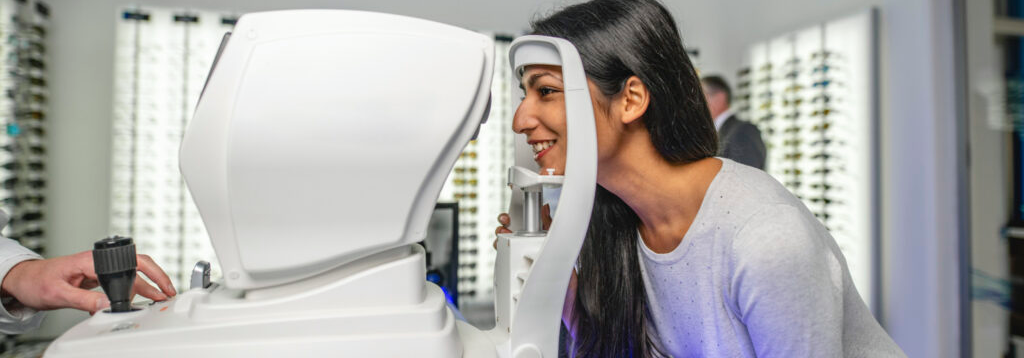
How to Choose the Best Eye Hospital in Delhi: A Patient Guide Looking for the Best Eye Hospital in Delhi? Start with the Right Questions. Choosing an eye hospital is one of the most important healthcare decisions you’ll make. Whether you’re planning cataract surgery, LASIK, glaucoma treatment, retina care, or a routine eye examination, selecting the right hospital can directly influence your treatment experience and long-term vision. A quick online search for the “best eye hospital in Delhi” returns hundreds of results, rankings, and reviews – many of which contradict each other or focus on popularity rather than the quality of care. Instead of relying solely on “list of top 10 eye hospitals”, it’s important to evaluate an eye hospital based on objective factors such as medical expertise, available technology, accreditation, treatment options, and follow-up care. This guide explains what to look for when choosing an eye hospital in Delhi, the questions you should ask before booking treatment, and why evaluating eye care hospitals on measurable criteria can help you make a more informed decision. How We Evaluated Eye Hospitals There is no single “best” eye hospital for every patient. The right choice depends on your specific eye condition, treatment goals, and the level of care required. When comparing eye hospitals in Delhi, patients should consider the following factors: Rather than focusing only on reputation, evaluate how well a hospital can meet your individual healthcare needs. 10 Things to Check Before Choosing an Eye Hospital in Delhi 1. Does the Hospital Have Specialists for Your Eye Condition? Not all eye hospitals offer the same range of services. A hospital with dedicated specialists across multiple ophthalmology disciplines can provide more comprehensive care, especially if additional eye conditions are identified during your evaluation. Look for expertise in: Choosing an eye hospital in Delhi with multiple specialties also makes long-term follow-up more convenient. 2. How Experienced Are the Eye Surgeons? Experience matters, particularly for surgical procedures such as cataract surgery, LASIK, retina surgery, or glaucoma treatment. Before proceeding with treatment, consider asking: An experienced ophthalmologist can also help determine whether surgery is the most appropriate treatment or whether alternative options should be considered. 3. Does the Eye Hospital Use Advanced Diagnostic Technology? Accurate diagnosis is the foundation of effective eye treatment. Modern eye hospitals typically use advanced diagnostic equipment to assess the condition of your eyes before recommending treatment. Depending on your eye condition, common diagnostic technologies may include: Advanced diagnostics support more precise treatment planning and better clinical decision-making. 4. Is the Eye Hospital NABH Accredited? NABH (National Accreditation Board for Hospitals & Healthcare Providers) accreditation indicates that a hospital follows recognised standards for patient safety, quality processes, infection control, and clinical care. While accreditation alone does not determine clinical outcomes, it is an important indicator that the hospital has established systems and quality protocols in place. 5. Does the Eye Hospital Explain All Treatment Options? A good eye hospital should help patients understand: Patients should feel informed and confident before making any treatment decision. 6. Are Treatment Costs Clearly Explained? Transparent communication helps patients plan their treatment with confidence. Before scheduling surgery, ask for an itemised estimate that explains: Understanding these details in advance can help avoid unexpected expenses. 7. Does the Eye Hospital Accept CGHS and Health Insurance? Many patients rely on CGHS, private health insurance, or corporate cashless facilities for eye treatment. Before booking an appointment, confirm: Verifying these details early can make the admission process smoother. 8. What Happens After Surgery? Successful eye care extends beyond the procedure itself. Ask the hospital about: A structured follow-up plan is an important part of comprehensive eye care. 9. How Should You Read Online Patient Reviews? Patient reviews can provide useful insights, but they should be interpreted carefully. When reviewing feedback, look for: Avoid relying on a single review or ranking website when making your decision. 10. Does the Hospital Offer Comprehensive Eye Care? Eye conditions often require multidisciplinary care. For example, a patient undergoing cataract surgery may also have glaucoma, diabetic retinopathy, or corneal disease that needs ongoing management. Choosing a hospital with specialists across multiple ophthalmology disciplines can provide better continuity of care throughout your treatment journey. Mohan Eye Institute, Delhi Comprehensive Eye Care Across Multiple Ophthalmology Specialties Mohan Eye Institute is an NABH-accredited, CGHS empanelled, Tier 1 eye hospital in Delhi offering comprehensive eye care services for children and adults. The institute provides diagnosis, medical management, and surgical treatment across a wide range of ophthalmology specialties using modern diagnostic and surgical technologies. Key Eye Care Services Why Patients Consider Mohan Eye Institute Patients often evaluate Mohan Eye Institute for: Leading Government Eye Hospitals in Delhi Patients seeking affordable treatment, specialist consultations, or care through government healthcare facilities have several well-established options in Delhi. These eye hospitals are known for providing ophthalmology services, teaching, research, and managing complex eye conditions. 1. Dr. Rajendra Prasad Centre for Ophthalmic Sciences (AIIMS), New Delhi One of India’s leading ophthalmology institutes, the Dr. Rajendra Prasad Centre at AIIMS provides tertiary eye care across almost every ophthalmology specialty. It is widely recognised for treating complex eye diseases, conducting research, and training ophthalmologists. Key Services 2. Guru Nanak Eye Centre, New Delhi Guru Nanak Eye Centre is one of Delhi’s oldest dedicated government eye hospitals and offers comprehensive ophthalmology services for both routine and complex eye conditions. Key Services 3. Safdarjung Hospital – Department of Ophthalmology Safdarjung Hospital provides comprehensive ophthalmology services through its Department of Ophthalmology and manages a large number of outpatient and surgical cases every year. Key Services 4. Maulana Azad Medical College – Department of Ophthalmology The Department of Ophthalmology at Maulana Azad Medical College provides specialist eye care, medical education, and surgical services through its affiliated government healthcare facilities. Key Services 5. Deen Dayal Upadhyay Hospital – Department of Ophthalmology Deen Dayal Upadhyay Hospital offers outpatient consultations, cataract surgery, and management of common eye diseases for patients across Delhi. Key Services Private Eye Hospital vs Government Eye Hospital: Which
Top 10 Cataract Surgery Hospitals in India
Looking for the Best Cataract Hospital in India? Start With the Type of Cataract Care You Need The best cataract hospital in India is not always the one with the biggest name. Some eye care hospitals are known for premium lens implantation. Others are recognised for handling complex cataracts, diabetic eye conditions, glaucoma patients, or age-related vision problems. If you’re planning cataract surgery for yourself, a parent, or a senior family member, the most important question isn’t: “Which hospital is number one?” It’s: “Which hospital is best equipped for my specific eye condition?” To help answer that question, we’ve reviewed some of India’s most recognized cataract surgery centers and what they are particularly known for. What Makes a Cataract Hospital Stand Out? Modern cataract surgery is about much more than removing a cloudy lens. Leading eye care hospitals today focus on: Advanced diagnostic imaging Precision lens power calculation Premium lens options Astigmatism correction Faster visual recovery Managing cataracts alongside glaucoma, diabetes, and retinal disorders The best outcomes often come from choosing the right eye surgeon and lens combination rather than simply selecting the lowest-cost procedure. Explore Top 10 Cataract Surgery Hospitals in India: Where Patients Go for Advanced Cataract Care 1. Mohan Eye Institute, Delhi Known for Comprehensive Cataract Care in Delhi NCR Delhi patients often look for hospitals that provide both routine and advanced cataract surgery while also offering access to retina, glaucoma, cornea, and refractive specialists if additional eye conditions are discovered during evaluation. Mohan Eye Institute is among the established eye hospitals in Delhi that provides cataract surgery as part of a broader ophthalmology setup. Why Patients Consider It Advanced cataract evaluation Phacoemulsification surgery Premium intraocular lens options Access to multiple eye care specialties Convenient option for Delhi NCR residents Particularly Relevant For Patients seeking cataract treatment while also managing glaucoma, diabetic eye disease, or other age-related eye conditions. 2. Aravind Eye Hospital, Madurai One of India’s Most Influential Cataract Surgery Institutions When discussing cataract surgery in India, Aravind Eye Hospital is often referenced because of its contribution to cataract care delivery and surgical volume. Why Patients Consider It Extensive cataract surgery experience Strong surgical protocols International recognition Comprehensive ophthalmology services Particularly Relevant For Patients seeking a hospital with a long history of cataract care excellence. 3. Sankara Nethralaya, Chennai Frequently Chosen for Advanced Cataract and Corneal Evaluation Many patients choose Sankara Nethralaya when they want specialist opinions before cataract surgery. Why Patients Consider It Advanced diagnostics Cornea expertise Research-driven ophthalmology Access to subspecialists Particularly Relevant For Patients with complex eye conditions beyond cataracts. 4. LV Prasad Eye Institute, Hyderabad Known for Managing Complex Eye Conditions Alongside Cataracts Not every cataract patient has healthy eyes otherwise. Patients with retinal disease, childhood eye disorders, or corneal problems often require additional evaluation. Why Patients Consider It Strong academic reputation Multidisciplinary eye care Comprehensive pre-surgical assessments Advanced clinical infrastructure Particularly Relevant For Patients with complicated eye histories. 5. Narayana Nethralaya, Bengaluru Popular Choice for Technology-Driven Eye Care Bengaluru patients often compare hospitals based on technology, diagnostics, and access to subspecialists. Why Patients Consider It Advanced imaging systems Cataract and retina expertise Premium lens options Comprehensive eye care Particularly Relevant For Patients exploring premium cataract surgery options. 6. Centre for Sight Frequently Considered for Premium Lens Cataract Surgery One of the most common questions cataract patients ask is: “Can I reduce my dependence on glasses after surgery?” Hospitals offering a wide range of premium lens technologies are often considered during this decision. Why Patients Consider It Multiple lens options Astigmatism correction lenses Presbyopia-correcting lenses Nationwide availability Particularly Relevant For Patients interested in lifestyle-oriented vision correction after cataract surgery. 7. Aditya Jyot Eye Hospital, Mumbai Known for Cataract and Retina Care Many cataract patients also have diabetes or retinal concerns. Hospitals with strong retina services can be valuable when multiple eye conditions need management. Why Patients Consider It Retina expertise Cataract surgery Diabetic eye care Advanced diagnostics Particularly Relevant For Patients with diabetes-related eye concerns. 8. Dr Agarwals Eye Hospital Large Eye Care Network Across India Patients often look for consistency, accessibility, and follow-up convenience. Why Patients Consider It Multiple locations Cataract surgery services Modern ophthalmology infrastructure Long-term follow-up access Particularly Relevant For Patients seeking treatment close to home. 9. Ruby Hall Clinic, Pune Cataract Care Within a Multispecialty Hospital Environment Some senior patients prefer cataract surgery within a hospital that offers cardiology, diabetes, and general medical support. Why Patients Consider It Multispecialty backup Cataract treatment Experienced ophthalmology team Particularly Relevant For Older patients with multiple medical conditions. 10. Disha Eye Hospitals, Kolkata Recognized Eye Care Provider in Eastern India Patients across eastern India frequently compare Disha Eye Hospitals when evaluating cataract treatment options. Why Patients Consider It Dedicated eye care services Cataract surgery Retina and glaucoma care Particularly Relevant For Patients seeking specialized eye care in eastern India. Which Cataract Lens Is Best? This is one of the most common questions patients ask. The answer depends on: Monofocal Lens Best for patients comfortable using glasses for some activities. Toric Lens Designed for patients with astigmatism. Multifocal Lens Provides vision at multiple distances and may reduce dependence on glasses. Extended Depth of Focus (EDOF) Lens Designed to provide a broader range of vision with fewer visual disturbances for selected patients. Your surgeon will recommend the most appropriate option after detailed measurements and lifestyle assessment. What Does Cataract Surgery Cost in India? The cost depends largely on the lens selected rather than the surgery itself. Cataract Surgery Type Approximate Cost Range Standard Cataract Surgery ₹20,000–₹50,000 Premium Monofocal Lens ₹40,000–₹80,000 Toric Lens Cataract Surgery ₹60,000–₹1,50,000 Multifocal Lens Surgery ₹80,000–₹3,00,000 Advanced Laser Cataract Surgery ₹1,00,000–₹4,00,000 How to Choose the Best Cataract Hospital in India The best cataract hospital is not necessarily the most expensive or the most popular. The right choice depends on the quality of care, surgeon expertise, and the technology available. Before choosing a hospital, consider: Comprehensive Eye Evaluation: Detailed diagnostics to assess cataracts and overall eye health. Advanced Surgical Technology: Availability
Top 10 LASIK Surgery Hospitals in India

Best LASIK Eye Surgery Hospitals in India for Safe Vision Correction If you’re searching for the best LASIK surgery hospital in India, the answer depends on your eye condition, the technology available, surgeon expertise, and the quality of pre-surgery evaluation. India is home to several reputed eye hospitals offering LASIK, SMILE, Femto LASIK, and Contoura Vision procedures. Some hospitals are known for advanced refractive surgery, while others are recognized for research, corneal care, or comprehensive ophthalmology services. This guide compares some of the most recognized LASIK surgery hospitals across major Indian cities, including Delhi, Mumbai, Chennai, Hyderabad, Bengaluru, Pune, Ahmedabad, and Kolkata. Whether you are looking for the best LASIK surgery hospital in Delhi, comparing LASIK surgery costs in India, or exploring alternatives such as SMILE eye surgery, this guide will help you make an informed decision. How We Selected These LASIK Hospitals Rather than ranking hospitals solely based on popularity, this list considers factors that patients commonly evaluate before undergoing LASIK surgery: Availability of LASIK, SMILE, and advanced vision correction procedures Refractive surgery expertise Diagnostic and pre-LASIK evaluation facilities Cornea and refractive care capabilities Reputation among patients and eye care professionals Presence in major metropolitan cities Comprehensive ophthalmology services Why Choosing the Right LASIK Hospital Matters LASIK surgery is one of the most commonly performed vision correction procedures, but not every patient is an ideal candidate. The quality of your evaluation before surgery often has a greater impact on outcomes than the procedure itself. A reputable LASIK hospital should help determine: Whether LASIK is suitable for your eyes Whether SMILE surgery may be a better option Whether Contoura Vision is recommended If dry eye disease needs treatment before surgery Whether corneal thickness is adequate for laser vision correction The best hospitals focus on selecting the right treatment for the patient rather than recommending the same procedure to everyone. Explore Top 10 LASIK surgery Hospital in India 1. Mohan Eye Institute, Delhi One of the Established LASIK Surgery Hospitals in Delhi Mohan Eye Institute is among the recognized eye hospitals in Delhi and offers a range of refractive surgery procedures, including LASIK, SMILE, and Contoura Vision. Notable Areas LASIK surgery SMILE eye surgery Contoura Vision Cornea services Cataract surgery Comprehensive ophthalmology care What Patients Often Consider Patients exploring LASIK surgery in Delhi frequently compare technology availability, surgeon experience, diagnostic infrastructure, and follow-up care. Mohan Eye Institute is one of the hospitals providing refractive surgery alongside broader eye care specialties. Best Suited For Patients seeking LASIK surgery in Delhi NCR Individuals comparing LASIK and SMILE surgery Patients looking for a multispecialty eye hospital 2. Sankara Nethralaya, Chennai Renowned Eye Hospital for Refractive Surgery and Research Sankara Nethralaya is widely recognized for ophthalmic research, clinical excellence, and advanced eye care services. Notable Areas LASIK surgery Femto LASIK SMILE surgery Corneal treatment Ophthalmic research What Patients Often Consider Many patients choose Sankara Nethralaya for its strong academic foundation and reputation for handling complex eye conditions. Best Suited For Patients seeking advanced refractive surgery Individuals requiring specialist corneal evaluation Patients looking for research-driven eye care 3. LV Prasad Eye Institute, Hyderabad Leading Eye Care Institution for Vision Correction Procedures LV Prasad Eye Institute is one of India’s most respected ophthalmology institutions and is known internationally for eye care, research, and education. Notable Areas LASIK surgery Refractive correction Corneal care Vision rehabilitation Ophthalmic research What Patients Often Consider The institute is frequently considered by patients who want comprehensive eye evaluations before choosing a vision correction procedure. Best Suited For Patients with complex refractive conditions Individuals seeking advanced eye diagnostics Patients looking for specialist consultation 4. Narayana Nethralaya, Bengaluru Advanced Eye Care and LASIK Surgery Center Narayana Nethralaya is among Bengaluru’s prominent eye hospitals and offers various refractive surgery options. Notable Areas LASIK surgery Femto LASIK SMILE surgery Corneal treatment Retina care What Patients Often Consider Patients often compare Narayana Nethralaya for its advanced technology and broad ophthalmology services. Best Suited For Patients seeking LASIK surgery in Bengaluru Individuals requiring comprehensive eye care Patients interested in advanced laser vision correction 5. Centre for Sight, Multiple Cities National Eye Care Network Offering LASIK and SMILE Surgery Centre for Sight has a presence across several Indian cities and provides a range of vision correction procedures. Notable Areas Contoura Vision LASIK surgery SMILE surgery Implantable contact lenses Refractive surgery What Patients Often Consider The network’s presence across multiple cities allows patients to access refractive surgery closer to home. Best Suited For Patients seeking nationwide accessibility Individuals exploring multiple vision correction options Patients comparing LASIK and Contoura Vision 6. Dr Agarwals Eye Hospital, Chennai and Pan India One of India’s Largest Eye Care Networks Dr Agarwals Eye Hospital operates across multiple cities and offers various laser vision correction procedures. Notable Areas LASIK surgery Refractive surgery Cataract treatment Corneal care What Patients Often Consider Patients often evaluate the hospital for its large network and availability of advanced ophthalmic services. Best Suited For Patients seeking LASIK surgery in multiple locations Individuals looking for established eye care infrastructure 7. Aditya Jyot Eye Hospital, Mumbai Recognized Eye Hospital in Mumbai Aditya Jyot Eye Hospital is known for providing a range of ophthalmology services, including refractive surgery. Notable Areas LASIK surgery Retina care Cataract surgery Corneal treatment What Patients Often Consider Patients frequently compare the hospital for its expertise across multiple eye care specialties. Best Suited For Patients seeking LASIK surgery in Mumbai Individuals looking for comprehensive eye care services 8. Shroff Eye Centre, Delhi NCR Eye Care Center Offering Advanced Refractive Procedures Shroff Eye Centre is among the established eye care institutions in Delhi NCR. Notable Areas LASIK surgery SMILE surgery Corneal treatment Cataract surgery What Patients Often Consider Patients often consider Shroff Eye Centre for its long-standing presence and comprehensive eye care services. Best Suited For Patients comparing LASIK hospitals in Delhi Individuals seeking specialist eye consultations 9. Ruby Hall Clinic Eye Department, Pune LASIK Surgery and Comprehensive Eye Care in Pune Ruby Hall Clinic provides ophthalmology services through its dedicated eye
Conjunctivitis (Pink Eye): Types, Symptoms, Causes & Treatment in Delhi

Did your eye suddenly turn red?Are you experiencing itching, watering, or sticky discharge?Is one eye infected and the other starting to feel irritated? You may be dealing with conjunctivitis, commonly called pink eye – one of the most common eye infections affecting both adults and children. The good news?Most cases are treatable, but the right diagnosis matters because treatment depends on the type. This guide explains everything clearly: What Is Conjunctivitis Eye? Conjunctivitis is inflammation of the conjunctiva, the thin transparent layer covering the white part of your eye. When this layer becomes inflamed: It can affect: Eye Conjunctivitis is usually not dangerous, but some types need urgent treatment to prevent complications. Eye Conjunctivitis Symptoms Common symptoms of conjunctivitis eye include: Pink eye symptoms may vary depending on the type of conjunctivitis. Causes of Eye Conjunctivitis Conjunctivitis can be caused by: Viral infection Most common causeHighly contagiousOften spreads through contact Bacterial infection Caused by bacteriaProduces sticky dischargeCan affect both eyes Allergies Triggered by: Other causes Types of Eye Conjunctivitis Understanding the type helps determine the right treatment. Viral Conjunctivitis Most common typeSpreads easilyOften associated with cold or flu Symptoms: Bacterial Conjunctivitis Caused by bacterial infection. Symptoms: Requires antibiotic treatment. Allergic Conjunctivitis Triggered by allergens. Symptoms: Not contagious. Conjunctivitis Treatment Treatment depends on the type of conjunctivitis. Viral Conjunctivitis Treatment Usually resolves on its own in 5–7 days. Treatment includes: Antibiotics are not required for viral conjunctivitis. Bacterial Conjunctivitis Treatment Requires antibiotic eye drops or ointment. Treatment includes: Most cases improve within 2–3 days. Allergic Conjunctivitis Treatment Treatment focuses on allergy control. Treatment includes: Recurring cases need specialist evaluation. When Should You See an Eye Doctor? Visit an eye specialist if: Early treatment prevents spread and complications Best Conjunctivitis Treatment Doctors in Delhi If you are looking for pink eye treatment in Delhi, consult an experienced eye specialist who can: People search for: Choosing a specialized eye hospital ensures accurate diagnosis and faster recovery. Best Eye Hospital for Conjunctivitis Treatment in Delhi A good eye hospital for conjunctivitis treatment should offer: Whether you are in: Consulting an experienced eye specialist helps avoid complications. How to Prevent Conjunctivitis To reduce risk: FAQs – Conjunctivitis Eye What is conjunctivitis? Conjunctivitis, also called pink eye, is inflammation of the conjunctiva – the thin transparent layer covering the white part of the eye and inner eyelids. When this layer becomes inflamed, the eye turns red and irritated. What is allergic conjunctivitis? Allergic conjunctivitis is eye inflammation caused by allergens like dust, pollen, or pollution. It usually affects both eyes and is not contagious. Common symptoms include itching, redness, watering, and swollen eyelids. Treatment includes anti-allergy eye drops, lubricating drops, cold compress, and avoiding triggers. What is viral conjunctivitis? Viral conjunctivitis is a contagious eye infection caused by viruses. It typically starts in one eye and spreads to the other. Symptoms include redness, watery discharge, irritation, and mild swelling. Viral conjunctivitis usually clears in 5–7 days. Treatment includes lubricating drops, cold compress, and proper eye hygiene. What is bacterial conjunctivitis? Bacterial conjunctivitis is an eye infection caused by bacteria. It leads to thick yellow or green discharge, sticky eyelids, and redness. Both eyes may be affected. Treatment includes antibiotic eye drops, eye cleaning, and doctor consultation. Most cases improve within a few days. What is acute conjunctivitis? Acute conjunctivitis is sudden eye redness and irritation that develops quickly. It may be viral, bacterial, or allergic. Symptoms include redness, watering, discharge, and discomfort. Acute conjunctivitis usually lasts less than 1–2 weeks and improves with appropriate treatment. What is vernal conjunctivitis? Vernal conjunctivitis is a severe form of allergic conjunctivitis, common in children and young adults. Symptoms include intense itching, redness, thick mucus discharge, and light sensitivity. It often worsens in summer. Treatment includes anti-allergy drops, lubricants, and doctor-prescribed medication. What is follicular conjunctivitis? Follicular conjunctivitis is a type of conjunctivitis with small round follicles inside the eyelid. It is usually caused by viral infection or chlamydia. Symptoms include redness, watering, and irritation. Treatment depends on the cause and may include lubricating drops or antibiotics. Follicular conjunctivitis vs papillary conjunctivitis Follicular conjunctivitis Papillary conjunctivitis What is the treatment for conjunctivitis? Conjunctivitis treatment depends on the type: Early treatment helps prevent spread and complications. What is pink eye treatment? Pink eye treatment includes eye drops, hygiene care, and doctor consultation depending on whether it is viral, bacterial, or allergic. How long does conjunctivitis last? Viral conjunctivitis lasts 5–7 days. Bacterial conjunctivitis improves within 2–3 days with treatment. Is conjunctivitis contagious? Viral and bacterial conjunctivitis are contagious. Allergic conjunctivitis is not contagious. Can conjunctivitis affect both eyes? Yes. It often starts in one eye and spreads to the other. What is the best treatment for bacterial conjunctivitis? Antibiotic eye drops prescribed by an eye doctor are the best treatment. What is allergic conjunctivitis treatment? Anti-allergy eye drops, artificial tears, and avoiding allergens help treat allergic conjunctivitis.
Red Eyes: What Causes, Symptoms & Treatment

Dry Eye Syndrome and Symptoms If you’ve looked in the mirror and wondered, “What causes red eyes?” or “Why are my eyes red?”, you’re not alone. Red eyes are one of the most common eye complaints and also one of the most confusing. Sometimes it’s just tired eyes. Other times, it could be a sign of an eye condition that needs attention. Let’s understand what causes red eyes, how to recognise symptoms, and what you can do to treat and prevent eye redness clearly, calmly, and without medical jargon. What Causes Red Eyes? The most common reason eyes turn red is inflammation or irritation of the blood vessels on the eye surface. When these vessels expand, the eyes appear red. Some of the most common causes of red eyes include: So if you’re asking, “What is the reason for red eyes?”The answer depends on your symptoms and how long the redness lasts. Red Eyes Symptoms You Should Notice Redness can appear alone or with other symptoms. Red eyes symptoms may include: These red eye disease symptoms help doctors understand whether the problem is mild or needs treatment. Why Eyes Become Red Suddenly Many patients say, “My eyes were fine yesterday—why are they red today?” Sudden red eyes can be caused by: In most cases, redness settles with proper eye care – but not always. Red Eye Disease: When Is Redness Serious? While many cases are harmless, red eye disease refers to conditions where redness is a sign of infection or inflammation. Visit your nearest eye clinic or consult an eye doctor immediately if redness is accompanied by: These symptoms may indicate conjunctivitis, uveitis, corneal infection, or other eye conditions. How to Reduce Eye Redness at Home If symptoms are mild, you can try simple measures to reduce eye redness: These steps often help when redness is due to dryness or eye strain. How to Cure Red Eyes: When Treatment Is Needed Many people ask, “How to cure red eyes?”The answer depends on the cause. Red Eye Treatment May Include: Red eye causes and treatment must always be matched correctly. Using the wrong drops can sometimes worsen the problem, which is why self-medication should be avoided. When Should You See an Eye Doctor? You should consult an eye specialist if: Early evaluation helps prevent complications and speeds up recovery. Choosing the Best Eye Specialist in Delhi Not all red eyes are the same, and accurate diagnosis matters. When choosing an eye specialist, look for: Mohan Eye Institute offers comprehensive eye care in Delhi and specialised eye treatment, ensuring the cause is treated, not just the symptom. Best Eye Hospital in Delhi for Red Eye Treatment The best eye hospital in Delhi for red eye treatment is one that provides: If redness is due to dryness, allergy, infection, or inflammation, expert guidance ensures faster relief and protects long-term eye health. Final Takeaway Red eyes are common, but they shouldn’t be ignored. While mild redness often settles with rest and care, persistent or painful redness needs professional attention. If you’re frequently asking “why are my eyes red?”, it’s time to listen to your eyes. Early care keeps your vision clear, comfortable, and healthy. FAQs: What Causes Red Eyes? What causes red eyes most commonly? Red eyes are most commonly caused by eye strain, dry eyes, allergies, lack of sleep, excessive screen use, dust, smoke, or pollution. These irritate the eye surface and make blood vessels appear red. What is the reason for red eyes? Red eyes usually occur when the small blood vessels on the surface of the eye become irritated or inflamed. Common reasons include eye strain from screens, dry eyes, lack of sleep, allergies, dust or pollution, rubbing the eyes, or eye infections. Why do eyes become red after screen use? Long screen hours reduce blinking, which dries the eyes. This leads to irritation and redness, especially when using mobiles or laptops without breaks. Can lack of sleep cause red eyes? Yes. Poor or insufficient sleep can make the eyes dry and irritated, causing redness and discomfort the next day. Can dry eyes cause redness? Yes. Dry eyes are one of the most common reasons for red eyes. When the eyes are not properly lubricated, they become irritated and red. Do allergies cause red eyes? Yes. Eye allergies can cause redness, itching, watering, and irritation, especially during seasonal changes or exposure to dust and pollen. Can eye infections cause red eyes? Yes. Infections such as conjunctivitis can cause red eyes along with discharge, swelling, and discomfort. These cases usually need medical treatment. When is red eye a serious problem? Red eyes are serious if accompanied by eye pain, blurred vision, sensitivity to light, discharge, or redness that does not improve within 1–2 days. Medical evaluation is important in these cases. Should I see a doctor for red eyes? You should visit your nearest eye clinic or consult an eye doctor if redness keeps returning, causes pain or vision changes, or does not improve with rest and basic care. Which is the best eye hospital in Delhi for red eye treatment? The best eye hospital is one that offers accurate diagnosis, experienced eye specialists, and personalised eye treatment in Delhi. Mohan Eye Institute provides comprehensive eye care in Delhi.
Best Hospital for LASIK Surgery in Delhi, India
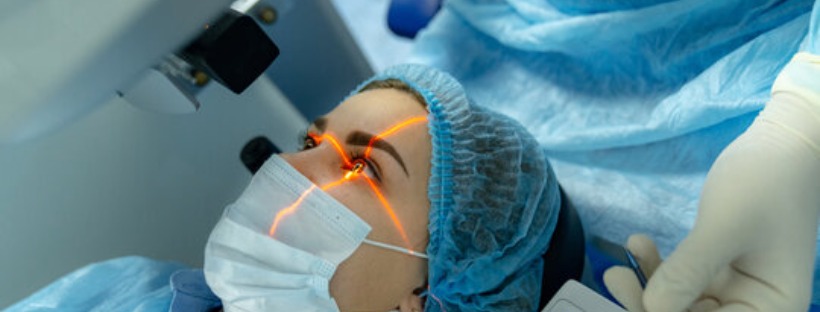
Best Hospital for LASIK Surgery in Delhi, India Which is the Best Hospital for LASIK Surgery in Delhi? If you are tired of wearing glasses or contact lenses every day, you have probably searched for: “Best hospital for LASIK Surgery in Delhi” “Best doctor for Lasik eye surgery in delhi” “Top lasik surgery hospital in india” The trusted answer for thousands of people seeking safe, hassle-free vision correction is Mohan Eye Institute — one of the best hospital for LASIK surgery in Delhi, India known for its advanced technology, experienced LASIK surgeons, and high safety standards. Our goal is simple: deliver sharp, natural vision with minimal discomfort and quick recovery. Why Choose Mohan Eye Institute for LASIK Eye Surgery in Delhi? Best LASIK Surgeons in Delhi: Our experienced ophthalmologists have decades of expertise in performing LASIK eye surgery in Delhi, ensuring maximum precision and safety. Latest LASIK Technology: We offer both Standard LASIK and Advanced Bladeless LASIK (C-LASIK) for a painless experience, faster healing, and long-term visual stability. Quick & Comfortable Procedure: The surgery takes only a few minutes, and most patients resume normal work or studies within 24–48 hours. Personalized Eye Mapping: Every eye is unique. We perform detailed corneal mapping and eye evaluations to determine the safest and most effective LASIK option for you. Affordable LASIK Surgery Cost in Delhi: We maintain transparent pricing and offer different packages to suit individual budgets without compromising on quality. When people ask, “Which is the best hospital for LASIK in Delhi?” or “Which doctor is best LASIK surgery in Delhi?”, Mohan Eye Institute is a trusted and proven answer. Who Should Consider LASIK Surgery? Young professionals tired of glasses at work or during travel Athletes and fitness enthusiasts who find contact lenses uncomfortable Students and office-goers who want hassle-free vision correction People whose careers (aviation, defense, modeling) require excellent unaided vision If you are above 18 years old, have stable eyesight, and no major eye disease, LASIK may be ideal for you. Common Pain Points LASIK Solves Glasses slipping during workouts or humid weather Contact lens irritation and dryness Restricted career opportunities due to dependence on glasses or lenses Low confidence in professional and social life At Mohan Eye Institute, our LASIK and Laser eye surgery in Delhi solves these challenges — giving you freedom from glasses, enhanced confidence, and improved lifestyle. Why is Mohan Eye Institute Trusted for LASIK Eye Surgery in Delhi? 40+ years of excellence in eye care and laser vision correction Thousands of successful LASIK surgeries performed with top safety standards International-quality LASIK technology and protocols Prime location in Karol Bagh, Delhi, easily accessible from Dwarka, South Delhi, Gurgaon, and NCR Dedicated pre & post-surgery care team for complete support’ Looking for the Best LASIK Surgeon in Delhi? Whether you are searching for: “Best hospital for LASIK eye surgery in Delhi” “What is the LASIK eye surgery cost in Delhi” “Best eye doctor for LASIK surgery in Delhi NCR” Mohan Eye Institute offers safe, proven, and result-oriented LASIK eye surgery. Book Your LASIK Consultation Today Step into a life free of glasses and contact lenses with Mohan Eye Institute, one of the best hospital for LASIK and Laser eye surgery in Delhi NCR. Frequently Asked Questions – LASIK Surgery in Delhi 1. Which is the best hospital for LASIK eye surgery in Delhi? Mohan Eye Institute is one of the best hospital for LASIK eye surgery in Delhi, offering advanced bladeless LASIK technology, experienced surgeons, and a proven safety record, trusted by patients across Delhi, Dwarka, Gurgaon, Noida and Faridabad. 2. How much does LASIK surgery cost in Delhi? LASIK surgery cost in Delhi depends on the type of LASIK performed (standard or advanced bladeless LASIK) and your eye condition. At Mohan Eye Institute, we maintain transparent pricing with affordable packages to ensure safe, high-quality treatment for every patient. 3. Is LASIK eye surgery safe and permanent? Yes, LASIK eye surgery in Delhi is safe and provides long-term vision correction, provided your eyes are healthy and your prescription is stable. At Mohan Eye Institute, we use advanced technology and follow strict protocols to ensure maximum safety and precision. 4. Who is eligible for LASIK surgery? You may be eligible for LASIK surgery in Delhi if: You are above 18 years of age Your eyesight has been stable for at least one year You have no major eye conditions (like cataracts or glaucoma) Your corneal thickness is adequate A comprehensive eye check-up at Mohan Eye Institute confirms your eligibility. 5. How soon can I resume normal activities after LASIK? Most patients resume normal activities within 24–48 hours after LASIK eye surgery. At Mohan Eye Institute, our advanced bladeless LASIK technology ensures quick healing and minimal discomfort, so you can return to work, travel, or studies almost immediately.
Best Cornea Eye Hospital in Delhi

Best Hospital for Corneal Transplant and Surgery in Delhi Your Vision Is Precious. Choose Experience and Trust. If you are facing blurred vision, corneal scarring, keratoconus, or have been advised a cornea transplant, it can feel overwhelming. The first question is often: Searching for the best cornea specialist in India? Confused about where to go? “Which cornea hospital can I really trust for my eye?” “Who is the best cornea specialist in Delhi for such a delicate surgery?” “Which hospital is best for cornea transplant in Delhi”? When it comes to something as important as your eyes, experience, technology, and patient trust matter most. That’s why patients across India choose MEI recognized among the best eye hospitals in Delhi, India for advanced cornea treatment and cornea transplant surgery. Why Patients Choose MEI for Cornea Transplant & Surgery Specialized Cornea Surgeons in Delhi: Experts with decades of experience in treating advanced corneal diseases and performing complex cornea transplants. Advanced Technology & Eye Banking: Modern microsurgery systems and a dedicated eye bank for faster, safer, and more successful transplants. Comprehensive Cornea Treatment in India: From managing infections and keratoconus to emergency corneal injury repair – all under one roof. Long Legacy of Trust: Thousands of successful surgeries and a reputation built on ethical, patient-focused care. When Do You Need a Cornea Specialist? You should consult a cornea surgeon in Delhi if you experience: Vision loss or cloudy eyesight that glasses cannot correct Pain, redness, or frequent corneal infections Scarring from eye injuries or previous surgeries Progressive conditions like keratoconus For many patients, early intervention can prevent the need for transplant. But when required, a cornea transplant in Delhi can restore clear vision and quality of life. What Is a Cornea Transplant and Is It Safe? A cornea transplant surgery involves replacing the damaged cornea with a healthy donor cornea.At Mohan Eye Institute, we perform: Penetrating Keratoplasty (PK) Lamellar Keratoplasty (DALK, DSEK, DMEK) Emergency Corneal Transplants for trauma or infections With advanced infrastructure and expert hands, our success rates are among the best in India. Why Trust Us for Cornea Transplants Highly Experienced Cornea Surgeons trained in the latest techniques Dedicated Operation Theatres & Post-Operative Care Units for eye surgeries Recognized as one of the best hospitals in Delhi, India for advanced eye treatments Comprehensive follow-up care for long-term vision success Take the First Step Towards Clear Vision Your eye health cannot wait. If you’ve been told you need a cornea transplant or advanced cornea treatment in India, choose a hospital known for trust, expertise, and proven outcomes. Book Your Appointment with Our Cornea Specialist Today FAQs – About Cornea Treatment 1. What is cornea? Cornea is the clear dome shaped surface at the front of your eye which helps to focus light and allows you to see clearly. 2. What is cornea of the eye? It’s like a window to your eye. Cornea covers the iris and pupil and protects them while helping to focus light on the retina for sharp vision. 3. Who is the best cornea doctor in Delhi? Best cornea doctor in Delhi is one who has experience in diagnosing and treating corneal diseases, cornea transplants and managing complex eye conditions. At Mohan Eye Institute we have senior cornea surgeons with decades of experience. 4. Which is the best cornea hospital in Delhi? Top cornea hospital in Delhi has advanced diagnostic tools, skilled surgeons and success in complex surgeries like corneal transplants. MEI is trusted as one of the best cornea hospitals in Delhi and India. 5. What is cornea treatment? Cornea treatment includes medical management (eye drops, oral medication), specialty contact lenses, minimally invasive procedures and surgeries like corneal transplants depending on the condition. 6. What is corneal transplant? Corneal transplant is a surgical procedure where a damaged cornea is replaced with a healthy donor cornea to restore vision. It’s commonly done for conditions like keratoconus, corneal scarring or severe infections. 7. What are the symptoms and treatment of corneal diseases? Symptoms are blurred vision, eye pain, redness, light sensitivity and tearing. Treatment may include medications, specialty lenses or surgery depending on the severity. 8. What are the signs of corneal disease? Watch out for cloudy vision, sudden change in eyesight, eye discomfort or halos around lights. If you experience any of these, consult a cornea doctor immediately.
How To Treat Symptoms of Uveitis: Everything You Need To Know

How To Treat Symptoms of Uveitis: Everything You Need To Know Uveitis is an inflammation that happens in the uvea, the middle layer of the eye. This can cause different problems such as eye pain, redness, and irritation to light and blurred vision. An untreated uveitis leads to undoubtedly complicated problems and it even results in permanent vision loss. Yet, by being advised in time and carrying out the prescribed therapies, many individuals can control the symptoms effectively. In this article, we shall talk about how to treat symptoms of uveitis. Recognizing Symptoms: The first thing to do when encountering uveitis is to observe and recognize the symptoms. They can include tired eyes with pain, eye redness and oversensitive to light, or even floaters (moving specks or clouds moving in your vision). Seeking Medical Attention: Whenever you notice such signs, it is very important to consider visiting your physician on an emergency basis. Clinical specialists, including an ophthalmologist, make an eye exam that allows the doctor to establish a diagnosis of uveitis. Treatment Options: In the treatment of uveitis, doctors strive to stop inflammation, ease the symptoms, and minimize the progress of accompanying complications. Treating plan will depend on the degree of the swelling and the pathological background of uveitis. Common treatment options include: Topical Steroids: Eye drops having corticosteroids saturate the surface of the eye to calm pain that occurs as a result of the inflammation. Oral Medications: Steroids or other immunosuppressive drugs, which are used for providing anti-inflammatory treatment, could also be required to keep the inflammation under control. Eye Injections: In case of aggressive inflammation, your doctor may suggest an injection of corticosteroids or other ones involving the eye. Surgery: Surgery is used in rare cases, just to manage the complications that may arise, with these being mainly cataracts and glaucoma. Uveitis specialists in Delhi are experts who can deal with such issues with ease. Managing Pain and Discomfort: Below are some measures to be followed to manage pain and discomfort during uveitis: Use of Eye Drops: Follow your doctor’s instructions for using the eye drop prescribed, to lower the tension and swelling. Apply Warm Compresses: Using a warm compress may be a possible remedy to relieve pain in that eye. Wear Sunglasses: Wear sunglasses to protect the eyes from bright light and sunlight, especially UV rays. Avoid Contact Lenses: To protect your eyes, wear glasses instead of contact lenses since the former can make irritation and discomfort associated with dry eye even worse. On completing the therapy for the uveitis issues, a close follow-up session is very relevant to have with your eye specialist. They will measure your progress over time, advise when changes to the plan are necessary, and alert you about any complications or signs. Preventing Recurrences: The uveitis may be persistent over long periods. To reduce the risk of recurrence, it’s essential to follow the below pointers: Monitor Symptoms: Keeping an eye on any change in your vision or the functions of your eyes makes it necessary that you communicate them to your doctor immediately. Manage Underlying Conditions: Make sure to work closely with your doctor in case the uveitis is caused by an illness, mainly an autoimmune disease, to have this provision fully under control. Practice Eye Safety: Saving your eyes from damage and infections by wearing safe eyeglasses while participating in activities that pose a risk to eye health is also among the good eye care habits that should be considered. Lifestyle Changes: Among prevention care for the symptoms of uveitis, it is also essential for maintaining eye health that lifestyle adjustments can aid with. Quit Smoking: Smoking can cause inflammation and increase the chances of eye risk disorders. Eat a Healthy Diet: Takes a balanced diet containing a lot of fruits, vegetables, and omega-3 fatty acids which helps reduce inflammation and promotes healthy eyesight. Manage Stress: Stress, which speeds up the body’s inflammatory condition is a grave reason for eye disorders. Attempt practices like meditation, yoga, or breathing deeply. Final Overview To sum up, uveitis is a dangerous eye disease that demands rapid and effective action to recognize the cause and start treatment. Early detection of symptoms together with timely medical help and then strict treatment can allow people to keep their symptoms in check and even reduce the risk for any complications. Visiting the best eye hospital in Delhi can guide a person through the entire procedure. Mohan Eye Institute is one of the best eye healthcare centers which has a group of specialized doctors taking the utmost care of people with proper treatment suffering from eye disorders. Check them out now!
Demystifying Retina Disorders: An Informative Overview

Demystifying Retina Disorders: An Informative Overview The retina is vital for the process of seeing as the human eye is among the most complicated and elaborate organs. Nevertheless, most people may not comprehend that the retina is a vital organ in the body affected by certain medical conditions like diabetes. This write-up seeks to explore retina disorders and create awareness about them. In addition, we shall delve into the functions of a retina specialist in Delhi and the options for various eye retina issues. Organism To OrganThis thin and sensitive sheet of tissue lies on the inside of the back of a normal eye. The main function of this organism is to be able to receive light and change it into electric indicators that will get to the brain throughout the optical tube. In simple terms, this complex mechanism helps us see and understand the world we live in. There are millions of light-sensitive cells including rods and cones, and also other layers of specially structured cells situated within the retina. Just like a film used by a camera, it is an image-recording device of our brain that produces visual scenarios in our minds. Common Retina DisordersThere are a variety of conditions and disorders that might affect the retina with subsequent vision issues and in some cases even blindness. Here are some common retina disorders: 1. Age-Related Macular Degeneration (AMD): Vision impairments in the elderly are often attributed to this factor. AMD is associated with the macula, the middle part of the retina, resulting in blurred or distorted central vision. 2. Diabetic Retinopathy: Diabetic retinopathy is a problem that affects people with diabetes and causes damage to blood vessels in the retina leading to poor vision 3. Retinal Detachment: Detachment of the retina may lead to an instant loss of eyesight. This calls for immediate assistance in case of a serious medical issue. 4. Retinitis Pigmentosa: This is a set of genetic diseases affecting the retina that cause progressive constriction of the visual field and night blindness. 5. Macular Holes: These are minute cracks on the macula that lead to seeing shades or shapes as wavy, instead of having clear and straight views. The Role of a Retina Specialist in DelhiA retina specialist is a medical physician trained and specializing in the management of diseases that affect the retina and provide eye retina problem solutions. In Delhi as in most other towns, people whose work is directed towards saving sight of patients with retinal disease become indispensable people. Diagnosis: Retina specialists in Delhi, have trained in carrying out comprehensive eye examinations for diagnosis of retina diseases and provide eye retina problem solutions. However, it most times entails the application of advanced imaging techniques as well as other diagnostics for the evaluation of the health of a retina. Treatment: Different retina specialists may provide treatment approaches like laser therapy, injection, or surgical procedures depending on a given disorder that affects the retina. For instance, using drugs like intravitreal injections may help to contain cases such as AMD and diabetic diseases. Surgery: In case the eye retina problem is very serious like a disorder affecting the retina, e.g., retinal detachment, then surgical correction would be done so that the retina gets attached and the patient regains his or her sight. These surgeries cannot be done by any retina specialist. Monitoring and Follow-Up: Retinal disease is a chronic condition that requires regular management. The retina specialist in Delhi collaborating with Mohan Eye Institute, designs a personalized therapy program and sets regular checkups to control the process and implement changes if required. Prevention and Early DetectionIn addition, genetical defects make it impossible to prevent some retina disorders. However, there are essential steps you can take to reduce your risk: Regular Eye Exams: Retinal disorders may be detected early with routine eye checkups and treated before any vision problems develop. Manage Chronic Conditions: It’s very important to maintain good control over your condition(s) if you are diabetic, or suffer from any other chronic health conditions. Lifestyle Choices: For general eye welfare, eat appropriately, engage in physical activities, and avoid cigarette smoking. Final Overview As a concluding remark, appreciation of the importance of the retina for healthy eyesight and the possible defects is necessary. Seeking assistance from specialists from Mohan Eye Institute ensures effective diagnoses, implements treatment and manages vision problems associated with the retina. The expert team incorporates methods that can keep people seeing or even bring back vision. For that reason, one should ensure they undergo regular eye check-ups to help identify such problems and reduce their effects on your sight.
Which Hospital Is The Best For Eyes And Why?

Which Hospital Is The Best For Eyes And Why? Perplexity and burstiness, two pivotal facets in the realm of textual composition, offer a vantage point for assessing intricacy and sentence diversity. While the former probes the convolution of a text, the latter dissects the interleaving of concise and protracted sentences. Conventional human authors, it appears, master the art of imbuing their prose with greater burstiness, juxtaposing brevity and protraction. In contrast, the cognitive progeny of artificial intelligence often proffers text of unvarying sentence length. Thus, to ensure the content we curate attains an optimal level of perplexity and burstiness, it is imperative to bear this principle in mind. The Significance of Picking the Best Eye Hospital Eyes, being the epitome of delicacy and the quintessence of sensitivity within the corporeal domain, not only serve as the optic portal to the cosmos but also constitute the custodian of this divine gift – the power of vision. When the stewardship of ocular well-being beckons, the gravitas of choosing the quintessential eye hospital cannot be overstated. An intricate tapestry of factors weaves this critical decision, and our exploration shall traverse each thread with meticulous scrutiny. The prowess of Ophthalmic Maestros At the nucleus of any laudable eye hospital resides the erudition and proficiency of its ophthalmic virtuosos. Discerning connoisseurs of ocular care should seek enclaves housing a cadre of sagacious and accomplished eye specialists, well-versed in the diagnosis and treatment of a gamut of ocular maladies. The best eye hospitals in Delhi are renowned for their ophthalmologists bedecked with advanced qualifications, international accreditations, and an opulent wellspring of experience in this vocation. Pinnacle in Technological Vistas Modern ophthalmology, in its inexorable march towards excellence, avails itself of the vanguard of technology, harnessing it for diagnostics, surgical interventions, and therapeutic modalities. Therefore, in appraising the apotheosis of eye hospitals in Delhi, it behooves the inquirer to affix their attention to the constellation of apparatus and technological contrivances adorning the hospital’s sanctum. The propinquity of state-of-the-art equipment augments the precision of diagnosis and broadens the pantheon of therapeutic alternatives for a sundry compendium of ocular pathologies. Efficacious Narratives and Patient Testimonials The barometer for adjudging the echelons of care dispensed by an eye hospital finds manifestation in the narratives of success and the acclamations of patients. Perusing the chronicles of those who have traversed the vestibules of an eye hospital’s precincts affords invaluable insights into the hospital’s care, professionalism, and the clinical fruits of their therapeutic labors. Thus, the pilgrimage toward discerning the establishment’s reputation hinges significantly on the exploration of testimonials and reviews festooning the digital realm. Salubrious Tenets and Sanctified Safety The sacred precincts of healthcare, where the covenant of hygiene and safety constitutes the sanctified gospel, demand obeisance, irrespective of the branch of medicine. Eye hospitals find no exemption from these tenets. Therefore, the discerning seeker of ocular asylum must, with unwavering determination, cast their gaze upon those hospitals that demonstrate an unwavering fealty to the edicts of cleanliness and a haven unimpeachable to the encroachments of infection and complications. Locational Attainability and Geographical Quotient The confluence of providence often conspires with the locational and geographical dimensions in shaping the contours of the individual’s encounter. It is, therefore, incumbent upon the discerning seeker to pursue a hospital whose geographical embrace lies within arm’s reach, especially when the impending exigencies of recurrent consultations and therapeutic regimens beckon. Financial Impetus and Indemnity The fiscal tapestry of ocular care dons a variegated visage, characterized by a kaleidoscope of economic disparities. Consequently, a judicious contemplation of one’s financial proclivities, and the alignment of such inclinations with the benevolence of one’s insurance coverage, assumes paramount significance. It is noteworthy that many eminent eye hospitals in Delhi maintain affiliations with an array of insurance providers, thus affording aegis to patients beleaguered by the fiscal exigencies of medical care. Which hospital is the best for eyes and Why? Now, having addressed the ebullient parameters for evaluating an eye hospital, let us set sail to identify the best eye hospital in Delhi. Sitting at the very pinnacle of the eye hospital industry is the Mohan Eye Institute. The specialized medical center offers a wide range of services starting from cataract surgery to LASIK treatment. Mohan Eye Institute collaborates with some of the most skilled and experienced doctors that make the aspect of availing eye surgery safe and affordable. A thorough hygiene standard is also established such that the patients are treated within an organized and clean environment, free from any infections. Moreover, Mohan Eye Institute has built tremendous goodwill among the general audience with thousands of satisfied customers vouching for the brand. Since its incorporation in 1980, the hospital has been the standard flag bearer in the eye care industry. Ensure to seek direct assistance from the expert professionals at the Mohan Eye Institute to get immediate results for all your eye treatment-related needs. Check the official website to learn more about the premium services offered. Final Overview The quintessential choice of the best eye hospital in Delhi constitutes a portentous decision, one that acutely influences the arc of your vision and the cadence of your life’s symphony. Amid the opulence of options, the lodestar guiding your selection must factor in elements such as the sagacity of ophthalmic savants, the specter of advanced technology, the cornucopia of services, the sonnets of success, the canons of hygiene, and the paeans of cost. The tapestry of their excellence is woven from the warp and weft of expert ophthalmologists, the epiphany of cutting-edge technology, the encompassment of a plethora of services, the paean of patient testimonials, the sanctity of hygiene, and the aegis of insurance coverage.