
Top 10 Cataract Surgery Hospitals in India
Looking for the Best Cataract Hospital in India? Start With the Type of Cataract Care You Need The best cataract hospital in India is not always the one with the biggest name. Some eye care hospitals are known for premium lens implantation. Others are recognised for handling complex cataracts, diabetic eye conditions, glaucoma patients, or age-related vision problems. If you’re planning cataract surgery for yourself, a parent, or a senior family member, the most important question isn’t: “Which hospital is number one?” It’s: “Which hospital is best equipped for my specific eye condition?” To help answer that question, we’ve reviewed some of India’s most recognized cataract surgery centers and what they are particularly known for. What Makes a Cataract Hospital Stand Out? Modern cataract surgery is about much more than removing a cloudy lens. Leading eye care hospitals today focus on: Advanced diagnostic imaging Precision lens power calculation Premium lens options Astigmatism correction Faster visual recovery Managing cataracts alongside glaucoma, diabetes, and retinal disorders The best outcomes often come from choosing the right eye surgeon and lens combination rather than simply selecting the lowest-cost procedure. Explore Top 10 Cataract Surgery Hospitals in India: Where Patients Go for Advanced Cataract Care 1. Mohan Eye Institute, Delhi Known for Comprehensive Cataract Care in Delhi NCR Delhi patients often look for hospitals that provide both routine and advanced cataract surgery while also offering access to retina, glaucoma, cornea, and refractive specialists if additional eye conditions are discovered during evaluation. Mohan Eye Institute is among the established eye hospitals in Delhi that provides cataract surgery as part of a broader ophthalmology setup. Why Patients Consider It Advanced cataract evaluation Phacoemulsification surgery Premium intraocular lens options Access to multiple eye care specialties Convenient option for Delhi NCR residents Particularly Relevant For Patients seeking cataract treatment while also managing glaucoma, diabetic eye disease, or other age-related eye conditions. 2. Aravind Eye Hospital, Madurai One of India’s Most Influential Cataract Surgery Institutions When discussing cataract surgery in India, Aravind Eye Hospital is often referenced because of its contribution to cataract care delivery and surgical volume. Why Patients Consider It Extensive cataract surgery experience Strong surgical protocols International recognition Comprehensive ophthalmology services Particularly Relevant For Patients seeking a hospital with a long history of cataract care excellence. 3. Sankara Nethralaya, Chennai Frequently Chosen for Advanced Cataract and Corneal Evaluation Many patients choose Sankara Nethralaya when they want specialist opinions before cataract surgery. Why Patients Consider It Advanced diagnostics Cornea expertise Research-driven ophthalmology Access to subspecialists Particularly Relevant For Patients with complex eye conditions beyond cataracts. 4. LV Prasad Eye Institute, Hyderabad Known for Managing Complex Eye Conditions Alongside Cataracts Not every cataract patient has healthy eyes otherwise. Patients with retinal disease, childhood eye disorders, or corneal problems often require additional evaluation. Why Patients Consider It Strong academic reputation Multidisciplinary eye care Comprehensive pre-surgical assessments Advanced clinical infrastructure Particularly Relevant For Patients with complicated eye histories. 5. Narayana Nethralaya, Bengaluru Popular Choice for Technology-Driven Eye Care Bengaluru patients often compare hospitals based on technology, diagnostics, and access to subspecialists. Why Patients Consider It Advanced imaging systems Cataract and retina expertise Premium lens options Comprehensive eye care Particularly Relevant For Patients exploring premium cataract surgery options. 6. Centre for Sight Frequently Considered for Premium Lens Cataract Surgery One of the most common questions cataract patients ask is: “Can I reduce my dependence on glasses after surgery?” Hospitals offering a wide range of premium lens technologies are often considered during this decision. Why Patients Consider It Multiple lens options Astigmatism correction lenses Presbyopia-correcting lenses Nationwide availability Particularly Relevant For Patients interested in lifestyle-oriented vision correction after cataract surgery. 7. Aditya Jyot Eye Hospital, Mumbai Known for Cataract and Retina Care Many cataract patients also have diabetes or retinal concerns. Hospitals with strong retina services can be valuable when multiple eye conditions need management. Why Patients Consider It Retina expertise Cataract surgery Diabetic eye care Advanced diagnostics Particularly Relevant For Patients with diabetes-related eye concerns. 8. Dr Agarwals Eye Hospital Large Eye Care Network Across India Patients often look for consistency, accessibility, and follow-up convenience. Why Patients Consider It Multiple locations Cataract surgery services Modern ophthalmology infrastructure Long-term follow-up access Particularly Relevant For Patients seeking treatment close to home. 9. Ruby Hall Clinic, Pune Cataract Care Within a Multispecialty Hospital Environment Some senior patients prefer cataract surgery within a hospital that offers cardiology, diabetes, and general medical support. Why Patients Consider It Multispecialty backup Cataract treatment Experienced ophthalmology team Particularly Relevant For Older patients with multiple medical conditions. 10. Disha Eye Hospitals, Kolkata Recognized Eye Care Provider in Eastern India Patients across eastern India frequently compare Disha Eye Hospitals when evaluating cataract treatment options. Why Patients Consider It Dedicated eye care services Cataract surgery Retina and glaucoma care Particularly Relevant For Patients seeking specialized eye care in eastern India. Which Cataract Lens Is Best? This is one of the most common questions patients ask. The answer depends on: Monofocal Lens Best for patients comfortable using glasses for some activities. Toric Lens Designed for patients with astigmatism. Multifocal Lens Provides vision at multiple distances and may reduce dependence on glasses. Extended Depth of Focus (EDOF) Lens Designed to provide a broader range of vision with fewer visual disturbances for selected patients. Your surgeon will recommend the most appropriate option after detailed measurements and lifestyle assessment. What Does Cataract Surgery Cost in India? The cost depends largely on the lens selected rather than the surgery itself. Cataract Surgery Type Approximate Cost Range Standard Cataract Surgery ₹20,000–₹50,000 Premium Monofocal Lens ₹40,000–₹80,000 Toric Lens Cataract Surgery ₹60,000–₹1,50,000 Multifocal Lens Surgery ₹80,000–₹3,00,000 Advanced Laser Cataract Surgery ₹1,00,000–₹4,00,000 How to Choose the Best Cataract Hospital in India The best cataract hospital is not necessarily the most expensive or the most popular. The right choice depends on the quality of care, surgeon expertise, and the technology available. Before choosing a hospital, consider: Comprehensive Eye Evaluation: Detailed diagnostics to assess cataracts and overall eye health. Advanced Surgical Technology: Availability
Top 10 LASIK Surgery Hospitals in India

Best LASIK Eye Surgery Hospitals in India for Safe Vision Correction If you’re searching for the best LASIK surgery hospital in India, the answer depends on your eye condition, the technology available, surgeon expertise, and the quality of pre-surgery evaluation. India is home to several reputed eye hospitals offering LASIK, SMILE, Femto LASIK, and Contoura Vision procedures. Some hospitals are known for advanced refractive surgery, while others are recognized for research, corneal care, or comprehensive ophthalmology services. This guide compares some of the most recognized LASIK surgery hospitals across major Indian cities, including Delhi, Mumbai, Chennai, Hyderabad, Bengaluru, Pune, Ahmedabad, and Kolkata. Whether you are looking for the best LASIK surgery hospital in Delhi, comparing LASIK surgery costs in India, or exploring alternatives such as SMILE eye surgery, this guide will help you make an informed decision. How We Selected These LASIK Hospitals Rather than ranking hospitals solely based on popularity, this list considers factors that patients commonly evaluate before undergoing LASIK surgery: Availability of LASIK, SMILE, and advanced vision correction procedures Refractive surgery expertise Diagnostic and pre-LASIK evaluation facilities Cornea and refractive care capabilities Reputation among patients and eye care professionals Presence in major metropolitan cities Comprehensive ophthalmology services Why Choosing the Right LASIK Hospital Matters LASIK surgery is one of the most commonly performed vision correction procedures, but not every patient is an ideal candidate. The quality of your evaluation before surgery often has a greater impact on outcomes than the procedure itself. A reputable LASIK hospital should help determine: Whether LASIK is suitable for your eyes Whether SMILE surgery may be a better option Whether Contoura Vision is recommended If dry eye disease needs treatment before surgery Whether corneal thickness is adequate for laser vision correction The best hospitals focus on selecting the right treatment for the patient rather than recommending the same procedure to everyone. Explore Top 10 LASIK surgery Hospital in India 1. Mohan Eye Institute, Delhi One of the Established LASIK Surgery Hospitals in Delhi Mohan Eye Institute is among the recognized eye hospitals in Delhi and offers a range of refractive surgery procedures, including LASIK, SMILE, and Contoura Vision. Notable Areas LASIK surgery SMILE eye surgery Contoura Vision Cornea services Cataract surgery Comprehensive ophthalmology care What Patients Often Consider Patients exploring LASIK surgery in Delhi frequently compare technology availability, surgeon experience, diagnostic infrastructure, and follow-up care. Mohan Eye Institute is one of the hospitals providing refractive surgery alongside broader eye care specialties. Best Suited For Patients seeking LASIK surgery in Delhi NCR Individuals comparing LASIK and SMILE surgery Patients looking for a multispecialty eye hospital 2. Sankara Nethralaya, Chennai Renowned Eye Hospital for Refractive Surgery and Research Sankara Nethralaya is widely recognized for ophthalmic research, clinical excellence, and advanced eye care services. Notable Areas LASIK surgery Femto LASIK SMILE surgery Corneal treatment Ophthalmic research What Patients Often Consider Many patients choose Sankara Nethralaya for its strong academic foundation and reputation for handling complex eye conditions. Best Suited For Patients seeking advanced refractive surgery Individuals requiring specialist corneal evaluation Patients looking for research-driven eye care 3. LV Prasad Eye Institute, Hyderabad Leading Eye Care Institution for Vision Correction Procedures LV Prasad Eye Institute is one of India’s most respected ophthalmology institutions and is known internationally for eye care, research, and education. Notable Areas LASIK surgery Refractive correction Corneal care Vision rehabilitation Ophthalmic research What Patients Often Consider The institute is frequently considered by patients who want comprehensive eye evaluations before choosing a vision correction procedure. Best Suited For Patients with complex refractive conditions Individuals seeking advanced eye diagnostics Patients looking for specialist consultation 4. Narayana Nethralaya, Bengaluru Advanced Eye Care and LASIK Surgery Center Narayana Nethralaya is among Bengaluru’s prominent eye hospitals and offers various refractive surgery options. Notable Areas LASIK surgery Femto LASIK SMILE surgery Corneal treatment Retina care What Patients Often Consider Patients often compare Narayana Nethralaya for its advanced technology and broad ophthalmology services. Best Suited For Patients seeking LASIK surgery in Bengaluru Individuals requiring comprehensive eye care Patients interested in advanced laser vision correction 5. Centre for Sight, Multiple Cities National Eye Care Network Offering LASIK and SMILE Surgery Centre for Sight has a presence across several Indian cities and provides a range of vision correction procedures. Notable Areas Contoura Vision LASIK surgery SMILE surgery Implantable contact lenses Refractive surgery What Patients Often Consider The network’s presence across multiple cities allows patients to access refractive surgery closer to home. Best Suited For Patients seeking nationwide accessibility Individuals exploring multiple vision correction options Patients comparing LASIK and Contoura Vision 6. Dr Agarwals Eye Hospital, Chennai and Pan India One of India’s Largest Eye Care Networks Dr Agarwals Eye Hospital operates across multiple cities and offers various laser vision correction procedures. Notable Areas LASIK surgery Refractive surgery Cataract treatment Corneal care What Patients Often Consider Patients often evaluate the hospital for its large network and availability of advanced ophthalmic services. Best Suited For Patients seeking LASIK surgery in multiple locations Individuals looking for established eye care infrastructure 7. Aditya Jyot Eye Hospital, Mumbai Recognized Eye Hospital in Mumbai Aditya Jyot Eye Hospital is known for providing a range of ophthalmology services, including refractive surgery. Notable Areas LASIK surgery Retina care Cataract surgery Corneal treatment What Patients Often Consider Patients frequently compare the hospital for its expertise across multiple eye care specialties. Best Suited For Patients seeking LASIK surgery in Mumbai Individuals looking for comprehensive eye care services 8. Shroff Eye Centre, Delhi NCR Eye Care Center Offering Advanced Refractive Procedures Shroff Eye Centre is among the established eye care institutions in Delhi NCR. Notable Areas LASIK surgery SMILE surgery Corneal treatment Cataract surgery What Patients Often Consider Patients often consider Shroff Eye Centre for its long-standing presence and comprehensive eye care services. Best Suited For Patients comparing LASIK hospitals in Delhi Individuals seeking specialist eye consultations 9. Ruby Hall Clinic Eye Department, Pune LASIK Surgery and Comprehensive Eye Care in Pune Ruby Hall Clinic provides ophthalmology services through its dedicated eye
Eye Hospital in Delhi: How to Choose the Right Specialist for Your Eye Condition
Choosing the right eye hospital in Delhi is one of those decisions that deserves more thought than a quick Google search. Your eyes are not just organs, they are how you see your child’s face, read a book, navigate a busy road, and experience the world. When something feels off – blurry vision, a growing cataract, trouble seeing at night – you want to walk into a place where the doctor actually has time to listen, the technology is current, and the answer you get is honest. This guide is not a promotional piece. It is written to help you make an informed decision, understand what to look for in a specialist depending on your condition, and know what questions to ask before you sit in a consultation chair. Why Delhi Is One of the Best Places in India for Eye Care Delhi is home to some of the most experienced ophthalmologists in the country. Between AIIMS, the government sector, and established private hospitals, the city has developed a dense cluster of eye care expertise over the past five decades. The challenge is not the absence of quality, it is the abundance of options, and knowing how to sort through them. When patients come to Mohan Eye Institute, many tell us the same thing: “I visited two or three hospitals before coming here, and I wasn’t sure who to trust.” That is an honest and understandable feeling. Here’s how to simplify the decision. The One Rule That Should Guide Your Search Match your condition to a specialist, not just a hospital name. A hospital may have an excellent cataract surgeon and an average retina team, or a world-class LASIK programme and limited experience in paediatric squint. The reputation of an institution is a useful starting point, but the subspecialist you see matters more than the sign outside the building. Here is a condition-by-condition breakdown of what to look for. Delhi Top Eye Hospital for Cataract Surgery (Motiyabind Operation) Cataract surgery in Delhi has become remarkably safe and routine, but there is still meaningful variation in outcomes and most of it comes down to three things: the surgeon’s experience with phacoemulsification (stitchless, no-injection technique), the quality of the intraocular lens (IOL) chosen for your eye, and how well the hospital manages the pre-surgery assessment. What to look for: Microincision phacoemulsification – not older techniques requiring stitches A proper biometry evaluation to calculate the exact lens power for your eye A range of premium IOL options – monofocal, toric (for astigmatism), trifocal (for spectacle independence after surgery) 24×7 post-operative support if something feels unusual At Mohan Eye Institute, cataract surgery (White Motiyabind Operation) has been a core pillar of the practice since the institute was founded in 1980 by Dr. Hari Mohan – who was among the early practitioners of advanced phacoemulsification techniques in India. The institute now performs stitchless microincision cataract surgery with a comprehensive range of premium IOLs. When to seek an urgent appointment: If your vision has become noticeably cloudier, you are experiencing significant glare while driving at night, or a previous examination flagged a “mature” or “hypermature” cataract, do not delay. Advanced cataracts are harder to remove safely. Delhi Best Eye Hospital for LASIK Surgery (Specs Removal) LASIK and its more advanced variants like Contoura Vision, SMILE, and bladeless Femto-LASIK have transformed how millions of people live. But the procedure is not one-size-fits-all, and the most important part of the process actually happens before the surgery: the screening. A responsible eye care centre will tell you if you are not a good candidate for LASIK surgery. Thin corneas, dry eye syndrome, keratoconus, and certain prescription ranges require alternative approaches or disqualify surgery altogether. If a centre is eager to schedule your surgery before running thorough topography, pachymetry, and dry eye testing – walk away. What to look for: A dedicated pre-LASIK screening process (usually 1.5–2 hours) before any surgical discussion Bladeless platforms – femtosecond laser for flap creation, excimer laser for correction Clear conversation about LASIK vs. ICL vs. SMILE vs. PRK based on your corneal profile Transparent discussion about dry eye risk, halos, and what “retreatment” means if your power shifts Mohan Eye Institute offers bladeless LASIK with advanced laser vision correction. Importantly, the team follows a strict pre-surgical screening protocol; patients are evaluated for candidacy before a surgical plan is ever discussed. A note on cost: LASIK surgery cost in Delhi can range from roughly ₹12,000 to ₹70,000+ per eye depending on the technology and eye care centre. The cheapest option is rarely the wisest for a permanent procedure on your cornea. Ask exactly which laser platform will be used on your eyes, not just a brand name in the brochure. Delhi Eye Hospital for ICL Surgery ICL (Implantable Collamer Lens) is the right choice for patients who are not suitable for LASIK; typically those with high prescriptions (above -8D or +4D), thin corneas, or significant dry eye. The lens is placed inside the eye in front of the natural lens without removing any corneal tissue. It can also be reversed, unlike LASIK. What to look for: Surgeons specifically trained in phakic IOL implantation Pre-operative assessment of anterior chamber depth and endothelial cell count – these determine candidacy and safety Experience with both spherical and toric ICL (for astigmatism correction) The team at MEI Delhi manages ICL surgery as part of its comprehensive refractive surgery programme, with proper candidate selection protocols. Eye Care Hospital in Delhi for Retina Treatment Retinal conditions – diabetic retinopathy, retinal detachment, macular degeneration, vitreous haemorrhage are among the most vision-threatening emergencies in ophthalmology. The difference between a good outcome and permanent vision loss can be measured in hours, not days. What to look for: A dedicated vitreo-retinal surgeon (not a general ophthalmologist doing occasional retina) In-house OCT (Optical Coherence Tomography) and FFA (Fundus Fluorescein Angiography) – these are essential for accurate diagnosis 24×7 emergency access for sudden floaters, flashes of light, or a “curtain” across your vision these are signs
Conjunctivitis (Pink Eye): Types, Symptoms, Causes & Treatment in Delhi
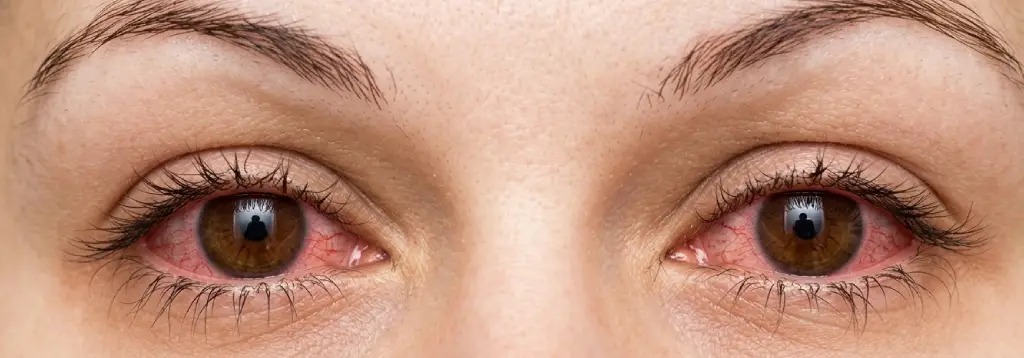
Did your eye suddenly turn red?Are you experiencing itching, watering, or sticky discharge?Is one eye infected and the other starting to feel irritated? You may be dealing with conjunctivitis, commonly called pink eye – one of the most common eye infections affecting both adults and children. The good news?Most cases are treatable, but the right diagnosis matters because treatment depends on the type. This guide explains everything clearly: What Is Conjunctivitis Eye? Conjunctivitis is inflammation of the conjunctiva, the thin transparent layer covering the white part of your eye. When this layer becomes inflamed: It can affect: Eye Conjunctivitis is usually not dangerous, but some types need urgent treatment to prevent complications. Eye Conjunctivitis Symptoms Common symptoms of conjunctivitis eye include: Pink eye symptoms may vary depending on the type of conjunctivitis. Causes of Eye Conjunctivitis Conjunctivitis can be caused by: Viral infection Most common causeHighly contagiousOften spreads through contact Bacterial infection Caused by bacteriaProduces sticky dischargeCan affect both eyes Allergies Triggered by: Other causes Types of Eye Conjunctivitis Understanding the type helps determine the right treatment. Viral Conjunctivitis Most common typeSpreads easilyOften associated with cold or flu Symptoms: Bacterial Conjunctivitis Caused by bacterial infection. Symptoms: Requires antibiotic treatment. Allergic Conjunctivitis Triggered by allergens. Symptoms: Not contagious. Conjunctivitis Treatment Treatment depends on the type of conjunctivitis. Viral Conjunctivitis Treatment Usually resolves on its own in 5–7 days. Treatment includes: Antibiotics are not required for viral conjunctivitis. Bacterial Conjunctivitis Treatment Requires antibiotic eye drops or ointment. Treatment includes: Most cases improve within 2–3 days. Allergic Conjunctivitis Treatment Treatment focuses on allergy control. Treatment includes: Recurring cases need specialist evaluation. When Should You See an Eye Doctor? Visit an eye specialist if: Early treatment prevents spread and complications Best Conjunctivitis Treatment Doctors in Delhi If you are looking for pink eye treatment in Delhi, consult an experienced eye specialist who can: People search for: Choosing a specialized eye hospital ensures accurate diagnosis and faster recovery. Best Eye Hospital for Conjunctivitis Treatment in Delhi A good eye hospital for conjunctivitis treatment should offer: Whether you are in: Consulting an experienced eye specialist helps avoid complications. How to Prevent Conjunctivitis To reduce risk: FAQs – Conjunctivitis Eye What is conjunctivitis? Conjunctivitis, also called pink eye, is inflammation of the conjunctiva – the thin transparent layer covering the white part of the eye and inner eyelids. When this layer becomes inflamed, the eye turns red and irritated. What is allergic conjunctivitis? Allergic conjunctivitis is eye inflammation caused by allergens like dust, pollen, or pollution. It usually affects both eyes and is not contagious. Common symptoms include itching, redness, watering, and swollen eyelids. Treatment includes anti-allergy eye drops, lubricating drops, cold compress, and avoiding triggers. What is viral conjunctivitis? Viral conjunctivitis is a contagious eye infection caused by viruses. It typically starts in one eye and spreads to the other. Symptoms include redness, watery discharge, irritation, and mild swelling. Viral conjunctivitis usually clears in 5–7 days. Treatment includes lubricating drops, cold compress, and proper eye hygiene. What is bacterial conjunctivitis? Bacterial conjunctivitis is an eye infection caused by bacteria. It leads to thick yellow or green discharge, sticky eyelids, and redness. Both eyes may be affected. Treatment includes antibiotic eye drops, eye cleaning, and doctor consultation. Most cases improve within a few days. What is acute conjunctivitis? Acute conjunctivitis is sudden eye redness and irritation that develops quickly. It may be viral, bacterial, or allergic. Symptoms include redness, watering, discharge, and discomfort. Acute conjunctivitis usually lasts less than 1–2 weeks and improves with appropriate treatment. What is vernal conjunctivitis? Vernal conjunctivitis is a severe form of allergic conjunctivitis, common in children and young adults. Symptoms include intense itching, redness, thick mucus discharge, and light sensitivity. It often worsens in summer. Treatment includes anti-allergy drops, lubricants, and doctor-prescribed medication. What is follicular conjunctivitis? Follicular conjunctivitis is a type of conjunctivitis with small round follicles inside the eyelid. It is usually caused by viral infection or chlamydia. Symptoms include redness, watering, and irritation. Treatment depends on the cause and may include lubricating drops or antibiotics. Follicular conjunctivitis vs papillary conjunctivitis Follicular conjunctivitis Papillary conjunctivitis What is the treatment for conjunctivitis? Conjunctivitis treatment depends on the type: Early treatment helps prevent spread and complications. What is pink eye treatment? Pink eye treatment includes eye drops, hygiene care, and doctor consultation depending on whether it is viral, bacterial, or allergic. How long does conjunctivitis last? Viral conjunctivitis lasts 5–7 days. Bacterial conjunctivitis improves within 2–3 days with treatment. Is conjunctivitis contagious? Viral and bacterial conjunctivitis are contagious. Allergic conjunctivitis is not contagious. Can conjunctivitis affect both eyes? Yes. It often starts in one eye and spreads to the other. What is the best treatment for bacterial conjunctivitis? Antibiotic eye drops prescribed by an eye doctor are the best treatment. What is allergic conjunctivitis treatment? Anti-allergy eye drops, artificial tears, and avoiding allergens help treat allergic conjunctivitis.
How Air Pollution in Delhi Causes Eye Irritation and Key Symptoms

How Delhi’s Air Pollution Causes Eye Irritation: Symptoms, Causes & Treatment Winter arrives in Delhi with two things: cold mornings… and a heavy blanket of pollution that follows you everywhere. You step outside for just a few minutes and suddenly: Your eyes start burning. They become red. They water nonstop, or feel dry and scratchy. Sometimes it even feels like something is stuck inside. If that’s happening to you or your family, you’re not imagining it. Delhi’s rising AQI, smog, and dry winter air are causing a sharp increase in eye irritation due to pollution, dry eye symptoms, eye allergy symptoms, eye inflammation, and even eye infection due to pollution. Let’s break this down in a simple, relatable way, so you know what’s happening, why it’s happening, and how to protect your eyes this season. Why Your Eyes Are Suffering This Winter in Delhi During winter, Delhi’s air gets filled with: Dust Smoke Vehicle emissions Chemicals Smog Low humidity These tiny particles float in the air and directly hit the surface of your eyes.Your eyes try to defend themselves… but the pollution load is simply too high. That’s why so many people feel eye irritation due to air pollution, especially in the mornings and evenings. Common Symptoms People in Delhi Are Facing Right Now Here’s what most people report during pollution season: Burning eyes symptoms A sharp, stinging sensation that gets worse outdoors. Watery eyes symptoms Your eyes produce more tears to wash out pollutants. Dry eye symptoms Cold wind + polluted air = moisture evaporates quickly. Red or inflamed eyes The surface gets irritated, causing redness and swelling. Eye allergy symptoms Itching, watering, swelling – especially in kids. Eye itching due to pollution The more you rub, the worse it gets. Eye infection due to pollution Dust and germs can lead to conjunctivitis-like symptoms. If two or more of these sound familiar, pollution is likely the reason. What’s Actually Causing These Problems? You don’t need medical jargon. Here’s the plain truth: 1. Polluted air sticks to your eyes Particles settle on the surface, causing irritation and burning. 2. Tear film breaks Dry wind and smog disrupt moisture, leading to dry, tired eyes. 3. Allergens trigger reactions Dust and chemicals cause itching and watering. 4. Higher infection risk Polluted air allows bacteria and viruses to spread more easily. Your eyes are fighting a lot more than you think. When You Should Consider Seeing a Doctor You should consult an eye specialist if: Redness keeps increasing Burning doesn’t settle Vision becomes blurry Discharge or stickiness appears Kids keep rubbing their eyes Symptoms last more than 48 hours You wear contact lenses and feel discomfort These signs should not be ignored, early treatment prevents complications. Easy, Effective Treatments to Get Relief Eye specialists commonly recommend: Lubricating eye drops Restores lost moisture and reduces dryness. Anti-allergic drops Helps reduce itching, watering, and irritation. Cold compress Soothes burning and swelling. Protective glasses Shield your eyes when you step outdoors. Reduce contact lens usage Glasses are safer during high-pollution days. Saline eye wash Helps remove dust and pollutants. Avoid self-medicating with strong drops, they can worsen symptoms. How You Can Protect Your Eyes in Delhi’s Polluted Winter Here are practical daily steps: Wear sunglasses while stepping out Avoid early morning walks on high-AQI days Use a humidifier to keep indoor air moist Drink more water to maintain tear production Take frequent screen breaks Avoid touching or rubbing your eyes Keep rooms dust-free Switch to glasses temporarily if needed These small habits can make a big difference. Why Choosing the Right Eye Care Matters This Season Eye problems caused by pollution may feel “normal,” but they often worsen quickly if ignored. Many people in Delhi wait too long, thinking symptoms will settle on their own, but by the time they seek help, dryness, infection, or inflammation has already progressed. That’s why timely care from trained specialists is important. If you or your family are facing burning eyes, redness, eye irritation due to pollution, watery eyes, or any discomfort that keeps coming back, it’s best to get your eyes checked. For Safe, Reliable Eye Care – Consider Mohan Eye Institute Mohan Eye Institute is recognized as one of the best eye hospitals in Delhi, trusted for: Experienced senior ophthalmologists Advanced diagnostics Safe, effective treatment for all pollution-related eye issues Child-friendly eye care Clean, hygienic environment Quick appointments and personalised attention If you are suffering from dry eyes, eye allergy symptoms, eye infection, or severe eye irritation due to air pollution, the right eye care can give you fast relief and protect your long-term vision. Your eyes work for you every second of the day, they deserve timely, expert care.
Computer Vision Syndrome: Causes, Symptoms & Treatment

Computer Vision Syndrome: Causes, Symptoms & Treatment If you often feel dry eyes, blurry vision, burning eyes, headaches, or dizziness after using your mobile or laptop, you may be experiencing Computer Vision Syndrome (CVS), also known as Digital Eye Strain. Today, this has become one of the most common eye issues due to increased screen time. This guide will help you understand what computer vision syndrome is, what causes it, symptoms to watch for, and the best eye treatment in Delhi – especially if you’re looking for expert eye care or best eye hospital in Delhi. What Is Computer Vision Syndrome? Computer Vision Syndrome is a condition where your eyes become strained due to long hours of using digital devices like smartphones, laptops, desktops, and tablets.It affects your eyes, head, and focusing ability, causing discomfort during or after screen use. In simple words:Your eyes are tired, overworked, and stressed because of screens. Smartphone Vision Syndrome Smartphone Vision Syndrome is a modern version of CVS caused specifically by long hours on mobile phones. The small screen, short viewing distance, and constant scrolling make your eye muscles work harder, leading to: Blurry eyes Eye strain Headache or burning eyes Difficulty focusing from phone to distance Dizziness while using the phone If you search for “blurry eyes and headache,” “burning eyes and headache,” “blurry eyes treatment,” “eye strain symptoms,” “eye strain treatment”, these are classic signs. What Causes Computer Vision Syndrome? CVS happens because of: Long screen hours with no breaks Reduced blinking – dry eyes Wrong screen distance Poor lighting or glare Uncorrected specs number Overusing smartphones late at night Sitting too close to the screen Keeping the room dark while using mobile All these factors make the eye muscles work overtime, resulting in eye strain and dizziness. Computer Vision Syndrome Symptoms You may have CVS if you experience: Blurry vision (especially after screen use) Dry eyes or scratchy feeling Burning eyes and headache Blurry eyes and headache at the same time Eyes feeling heavy or tired Redness or irritation Eye strain and dizziness Difficulty focusing Sensitivity to light Neck and shoulder pain If you’re Googling things like “computer vision syndrome symptoms,” “eye strain symptoms,” or “blurry eyes treatment,” your body is already signaling that it needs a break, and a proper eye check-up. Computer Vision Syndrome Questionnaire (Self-Check) Answer YES or NO: Do your eyes feel tired after mobile/laptop use? Do you experience blurry vision at the end of the day? Do you get burning eyes and headaches after screen time? Do your eyes feel dry or watery while working? Do you notice dizziness or heaviness after using your phone? Are you on screens more than 6 – 8 hours daily? Do you hold your mobile too close to your face? If you answered YES to 3 or more questions – you may have Computer Vision Syndrome. Computer Vision Syndrome Treatment The good news, CVS can be treated easily with timely care. 1. Eye Examination A specialist eye doctor checks dryness level, focusing issues, and hidden specs power. 2. Treatment for Dry Eyes Lubricating drops Blinking exercises Hydration Resting the eyes 3. Anti-glare / Blue-light Glasses Helps reduce strain from screens. 4. Correcting Specs Power Even a minor number change can fix headaches & blurry vision. 5. Lifestyle Guidance 20-20-20 rule Screen breaks Right posture Proper lighting 6. Medical Treatment (If Needed) For chronic dryness, eye strain, or smartphone vision syndrome, you must see an eye specialist who will prescribe targeted treatment. Best Eye Hospital in Delhi for Computer Vision Syndrome – Mohan Eye Institute If you are facing dry eyes, blurry vision, headaches, eye strain, burning eyes, or dizziness, you should get your eyes checked by experts. Mohan Eye Institute is one of the most trusted eye hospital in Delhi for treating: Computer Vision Syndrome Smartphone Vision Syndrome Eye strain & dizziness Dry eyes & blurred vision Burning eyes & headaches Digital Eye Fatigue Why Choose Mohan Eye Institute? Expert specialists for computer & mobile-related eye issues Advanced tests to detect dryness and focusing problems Personalized treatment plans for screen-heavy lifestyles Trusted by thousands of patients in Delhi Quick appointments and accurate diagnosis If you’re searching for “best eye hospital in Delhi for eye strain” or “computer vision syndrome treatment in Delhi,” Mohan Eye Institute is the right choice. When Should You Visit an Eye Hospital? Visit an eye hospital if you experience: Blurry eyes constantly Frequent headaches Burning eyes after screens Dizziness during mobile use Dry eyes despite blinking Trouble focusing from near to far Eye strain affecting your work or studies Early treatment prevents long-term issues. Final Thoughts Computer Vision Syndrome is extremely common today, but you don’t have to live with discomfort. With proper diagnosis, simple lifestyle changes, and the right treatment, your eyes can feel fresh again. If you want relief from eye strain, dry eyes, blurry vision, headache, or smartphone vision syndrome, book your eye check-up at Mohan Eye Institute, Delhi. Your eyes deserve expert care.
Uveitis & Eye Inflammation Treatment in Delhi
Which is the best hospital for uveitis treatment in Delhi? If you are experiencing sudden redness, blurred vision, pain, or light sensitivity, you may be suffering from uveitis, an inflammatory eye condition. Searching “best hospital for uveitis treatment in Delhi” or “top eye inflammation specialist near me” often leads patients to Mohan Eye Institute – one of the best eye hospitals for uveitis in Delhi for treating complex inflammatory eye diseases. Why do people choose Mohan Eye Institute for uveitis treatment? Who should consult for uveitis treatment? Common patient pain points we solve: At Mohan Eye Institute, we focus on early diagnosis, effective treatment, and long-term management to protect your sight and improve quality of life. Why Mohan Eye Institute is trusted for uveitis treatment? When people search “best doctor for uveitis in Delhi” or “uveitis specialist in delhi”, MEI is a preferred choice for expert care. Do not ignore redness and pain in your eyes. Book your consultation today at Mohan Eye Institute to receive advanced uveitis treatment from trusted experts. 1. What is the best hospital for uveitis treatment in Delhi? Mohan Eye Institute is one of top hospitals in Delhi for uveitis treatment, management, providing expert care for infectious and autoimmune eye inflammation. 2. Who is the best doctor for uveitis in Delhi? Our experienced ophthalmologists specialize in treating complex uveitis and associated systemic disorders. 3. Can uveitis cause permanent blindness? Yes, untreated uveitis can lead to serious complications and vision loss. Early diagnosis and treatment are essential. 4. What causes uveitis? Uveitis may result from infections, autoimmune conditions, eye injuries, or systemic diseases like rheumatoid arthritis. 5. How long does uveitis treatment take? Treatment duration varies depending on cause and severity; some cases resolve quickly, while chronic uveitis needs long-term care. 6. Why choose Mohan Eye Institute for eye inflammation? We offer advanced imaging, multidisciplinary support, and experienced specialists dedicated to saving vision.
Neuro-Ophthalmology in Delhi
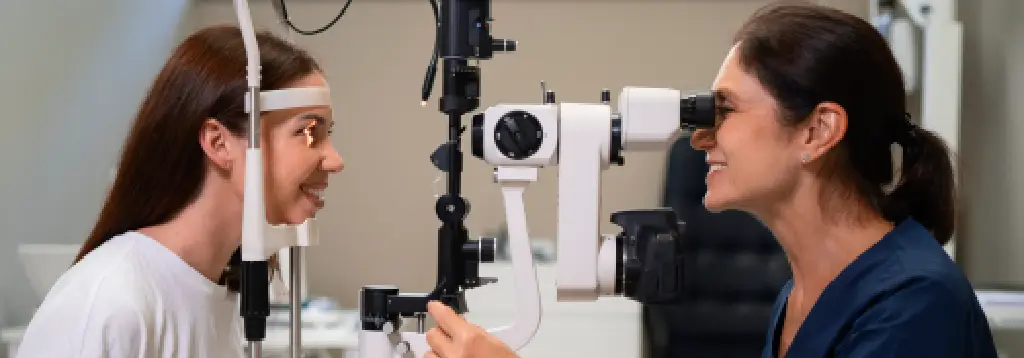
Which is the best hospital for neuro-ophthalmology treatment in Delhi? Unexplained vision loss, double vision, or abnormal eye movements can be alarming. Many patients search: “best neuro-ophthalmology specialist near me” or “top hospital for double vision in Delhi”. Mohan Eye Institute is one of the best hospitals in Delhi for neuro-ophthalmology – a highly specialized field where eye health intersects with the nervous system. Why do neuro-ophthalmic problems need experts? Symptoms like double vision, eyelid drooping, optic nerve damage, or unexplained visual field loss can be linked to neurological conditions such as stroke, multiple sclerosis, brain tumors, or head injuries. These issues can severely impact daily life and cause emotional distress because patients fear permanent blindness or serious neurological illness. How does the Mohan Eye Institute help? Specialist Neuro-Ophthalmologists: Experienced doctors trained to handle complex neurological vision issues. Advanced Diagnostics: Visual field analysis, optic nerve imaging, and brain-eye coordination testing to pinpoint the cause. Collaborative Care: Coordination with neurologists and neurosurgeons when needed. Comprehensive Treatment: Options include prism glasses, surgery for eye muscle imbalance, optic nerve management, and visual rehabilitation. Who should consult us People with sudden vision loss or double vision Patients with optic nerve swelling (papilledema) Individuals with drooping eyelids or eye movement disorders Stroke or head injury patients with visual disturbances Patient Pain Points We Solve Fear of permanent blindness due to nerve damage Anxiety about complex neurological causes Difficulty finding specialized doctors Confusion about long-term care and follow-up We provide clear explanations, customized care plans, and emotional support so you understand your condition and treatment path. Why choose Mohan Eye Institute? 40+ years of trusted eye care Dedicated neuro-ophthalmology expertise Advanced diagnostic technology and rehabilitation options Central location, easy access across Delhi & NCR FAQs – Neuro-Ophthalmology Treatment What is neuro-ophthalmology? It deals with vision problems linked to brain, nerve, or eye movement disorders. Who is the best neuro-ophthalmologist in Delhi? Mohan Eye Institute’s experienced specialists handle complex neurological eye conditions. Is double vision treatable? Yes, depending on the cause, treatment may include glasses, prism lenses, or surgery. Can neurological vision loss be reversed? Some causes are reversible, while others focus on stabilizing vision and preventing worsening. Why choose Mohan Eye Institute? Because of specialized doctors, advanced diagnostics, and holistic neurological eye care.