
Early Signs of Cataract You Should Not Ignore
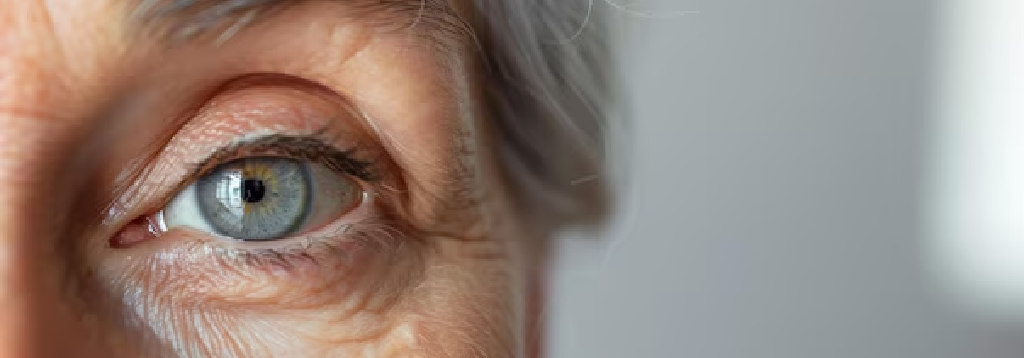
Early Signs of Cataract You Should Not Ignore Cataracts usually do not appear all of a sudden.They develop slowly, over time. At first, the changes in vision are small and easy to ignore. You may notice that streetlights look too bright while driving at night.Reading subtitles on TV feels a little difficult.Even after changing your glasses, vision still does not feel clear or sharp. Many people think this is just because of age, tired eyes, or too much screen use. But these can be early signs of cataracts.If ignored for too long, they can slowly affect your daily life. What is a cataract? A cataract is a condition where the natural lens of the eye becomes cloudy. The lens of your eye is normally clear. It helps focus light so you can see properly.Over time, this lens can become cloudy, making vision look blurred or dim. This cloudiness happens because some natural changes occur inside the lens as we grow older. Because cataracts develop slowly, many people do not notice them in the early stage. Cataracts are most commonly related to ageing, but they can also develop due to: Diabetes Long-term use of certain medicines Eye injury Too much exposure to sunlight What are the early signs of cataracts? Early cataract symptoms usually start gently and get worse slowly. You may notice: Slight blurred or cloudy vision Difficulty seeing clearly at night Bright lights causing discomfort or glare Frequent change in spectacle power Colours looking dull or faded Since these changes happen slowly, many people adjust without realising something is wrong. What are the common symptoms of cataracts? As cataracts progress, symptoms become more noticeable. Common symptoms include: Foggy or unclear vision Poor night vision Sensitivity to bright light Halos around lights Trouble reading or driving Glasses not improving vision If these symptoms continue, it is best to get an eye check-up. Can a cataract cause headaches or eye strain? Yes, cataracts can cause eye strain and headaches. When vision is not clear, the eyes have to work harder to focus.This extra effort can lead to: Tired eyes Headaches around the forehead Discomfort while reading or using screens Many people treat headaches without knowing that poor vision due to cataracts may be the real reason. What are the 3 main types of cataracts? There are different types of cataracts. Doctors usually talk about three main types. 1. Nuclear cataract This is the most common type and is related to aging.It develops in the centre of the lens and slowly causes blurred or yellowish vision. 2. Cortical cataract This type starts at the outer edge of the lens and moves inward.It often causes glare and trouble with contrast. 3. Posterior subcapsular cataract This affects the back part of the lens.It can cause: Difficulty in reading Problems with bright lights Faster vision changes than other types When is the right time for cataract surgery? Cataract surgery is not decided by age.It is decided by how much cataracts affect your daily life. Surgery may be needed when: Vision makes daily work difficult Driving becomes unsafe Reading or screen use feels uncomfortable Glasses no longer help Modern cataract surgery is safe, quick, and gives very good results when done at the right time. Waiting too long can reduce comfort and quality of life. What is the cost of cataract surgery? The cost of cataract surgery depends on several factors, such as: Type of lens used Surgical method Technology involved Hospital facilities Whether one or both eyes are treated In Delhi, the cost can range from basic procedures to advanced options with premium lenses. The exact cost is usually decided after an eye examination, once the doctor understands your condition and treatment needs. Cataract surgery is a one-time and permanent solution, so quality of care is more important than choosing only based on cost. When should you visit an eye hospital for cataract treatment? You should see an eye specialist if you notice: Ongoing blurry vision Trouble with night driving Sensitivity to bright lights Frequent headaches linked to vision An early eye check-up helps prevent unnecessary discomfort and vision problems. Which hospital is best for cataract surgery in Delhi? The best hospital for cataract surgery is one that provides: Experienced eye doctors Proper eye evaluation before surgery Modern surgical equipment Clear guidance on lens options Good care after surgery Patients should look for eye hospitals with strong experience and patient trust, not just advertisements. In Delhi, Mohan Eye Institute is known for its dedicated eye care services, experienced specialists, and patient-focused approach to cataract treatment. Cataract FAQs Patients Commonly Ask How do I know if my blurry vision is cataract or eye strain? Eye strain usually improves with rest. Cataract-related blur stays and slowly worsens. Is blurry vision in one eye an early sign of cataracts? Yes. Cataracts often start in one eye and later affect the other. Can cataracts go away on their own? No. Cataracts do not clear without treatment. Is cataract surgery painful? No. It is usually painless and done under local anaesthesia. Can cataracts come back after surgery? No. Once removed, cataracts do not return. Can cataracts develop before age 50? Yes. Health conditions and lifestyle factors can cause early cataracts. Does screen use cause cataracts? No. Screens do not cause cataracts, but they can make symptoms feel worse. Ignoring early cataract signs can quietly affect your quality of life Cataracts do not cause sudden pain.They slowly reduce how clearly and comfortably you see. If you or a loved one notice early changes in vision, it is better to get an eye check-up early.Timely care can help protect vision and improve daily comfort.
Eye Care Tips: 5 Ways To Protect Your Eyes In Monsoon Season

Eye Care Tips: 5 Ways To Protect Your Eyes In Monsoon Season Are you worried about the protection of your eyes during the monsoon season? Though monsoons relieve us from the blistering summer, they also have their share of eye care problems. The increased humidity and the chances of infection that accompany it call for extra eye care. This guide will provide essential tips to help protect your vision from the rain so that your vision stays clean and healthy. Eye care becomes more important during this season to avoid discomfort and get rid of long-term problems. Next, we will delve into practical tips on how to keep your eyes safe and healthy during the monsoon season. Do Not Rub Your Eyes:Though it may seem like an innocuous action, rubbing your eyes during monsoons can land you a serious infection. The humid and moist climate is the perfect breeding ground for bacteria and viruses, which can easily infect your eyes if you have unhygienic practices. When you avoid touching your eyes, you have less of a chance of transferring germs from your hands to your peepers. Make sure your hands are clean before you do. If you need to touch your eyes, do so with a clean tissue instead of using your fingers. Be more careful and avoid rubbing your eyes, especially when you are outdoors. You can also have hand sanitizer within reach so that your hands are clean if you ever need to touch your face or eyes. Wear Protective Eyewear UV Protection: Insist on UV protection alongside your sunglasses to give you protection against multiple natural elements. Even through cloudy weather, these rays could be quite sharp and require proper protective gear. Safety Goggles: Safety goggles provide extra protection to your eyes if you have to work or study outdoors. They help protect your eyes from dust, rain, and other elements. Clean Eyewear Regularly: Clean your glasses or goggles often to ensure that they are optimally protective. Soiled lenses will decrease your line of vision, thereby making you more prone to accidents. Anti-reflective Coating: Go for eyewear that has an anti-reflective coating; this will reduce glare and enhance your line of vision, especially on rainy days. Protective eyewear acts as a barrier to many elements that might be injurious to the eyes. While walking, driving, or indulging in any sport, the right kind of eyewear can significantly decrease the possibility of eye injury and infection. Keeping Contact Lenses Hygienic: Contact lens wearers have to be extra cautious during the monsoon season. This excess moisture contributes to the deposits building up on the lenses, leading to discomfort or even infection. Good hygiene is also crucial in preventing any complications.Always wash your hands before touching the lenses clean the lenses with recommended solutions and disinfect them daily. Try to avoid wearing contact lenses while it is raining to protect your eyes from dust and pollutants. Also, if there is heavy rain, the best option would be to wear glasses rather than contact lenses to reduce the risk of infection. Contact Lens Care Tips Use Fresh Solution: Always clean and store your contact lenses in a fresh, high-quality lens solution. Never use an old solution. Avoid Tap Water: Never clean your contact lenses with tap water because it may contain some harmful microorganisms. Clean Lens Case: Clean and replace the case regularly to prevent bacterial growth. Limit Wear Time: Try not to wear your lenses for too long and also give a break to your eyes from time to time. Get Your Eyes Tested Regularly: For the diagnosis and prevention of any eye-related problem, regular checkups in the ophthalmology department are necessary. Infections easily get transmitted in the monsoon season, and you must keep an eye on them during this time of the year.Consult the best eye doctor in Delhi to diagnose and treat any problems at the earliest. Look out for good clinics credited for their excellence and service. Check patient reviews to assess the quality of service, and fix an appointment with a trusted eye specialist in Delhi for professional advice and treatment. Early detection can prevent or minimize the progression of eye conditions and helps to maintain optimal eye health. Stay Hydrated and Maintain a Balanced Diet Hydrate: Drink at least 8 glasses of water per day. Staying properly hydrated helps to keep your eyes healthy and not too dry. Omega-3 Fatty Acids: Include food rich in omega-3s, such as fish and flaxseeds, for eye health. Omega-3 fatty acids can be very instrumental in decreasing the risk of developing dry eye syndrome, among other conditions that relate to the eye. Vitamin-rich foods: Include in your diet as many fruits and vegetables rich in vitamins A, C, and E. These vitamins are highly essential for excellent vision and healthful eyes. Regular Meals: Be sure to have regular meals so that your body gets adequate nutrition for your eyes. Irregularity in meals may deprive you of nutrition essential for the eyes. Conclusion Eye care becomes essential to help you out in avoiding infections and have perfect vision in the monsoon season. With these simple but effective tips, you can make sure that you keep both your eyes healthy and protected. These are inclusive of regular eye checkups, hygiene in contact lenses, and protection with eyewear. Additionally, a well-hydrated body and a balanced diet with all the essential elements would contribute to good health in the eyes. For the finest eye care service, consult the best eye clinic in Delhi like the Mohan Eye Institute. With a heritage of excellence in the field of ophthalmic care, it offers umbrella services on eye care. Be cautious, maintain hygiene, and enjoy the monsoon season with an absolute vision and healthy eyes. Your eyes are precious, and preventive measures taken today will help maintain the health of your eyes in the long run. If you have any discomfort or symptoms, do not hesitate to seek the advice of an eye specialist at the