
Best Eye Hospital in Delhi
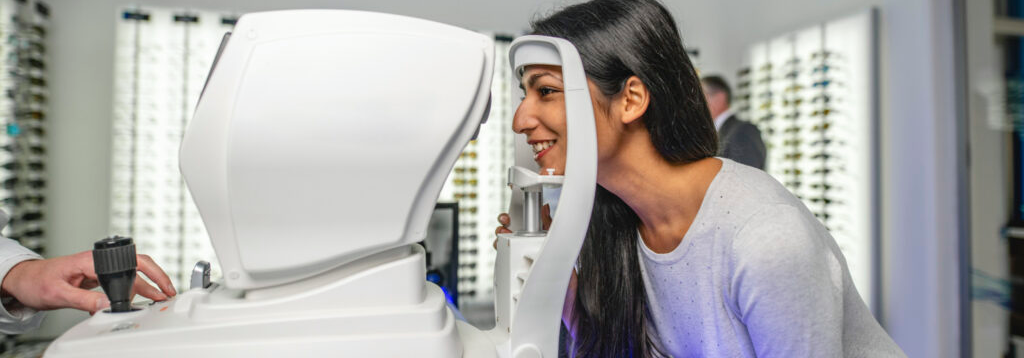
How to Choose the Best Eye Hospital in Delhi: A Patient Guide Looking for the Best Eye Hospital in Delhi? Start with the Right Questions. Choosing an eye hospital is one of the most important healthcare decisions you’ll make. Whether you’re planning cataract surgery, LASIK, glaucoma treatment, retina care, or a routine eye examination, selecting the right hospital can directly influence your treatment experience and long-term vision. A quick online search for the “best eye hospital in Delhi” returns hundreds of results, rankings, and reviews – many of which contradict each other or focus on popularity rather than the quality of care. Instead of relying solely on “list of top 10 eye hospitals”, it’s important to evaluate an eye hospital based on objective factors such as medical expertise, available technology, accreditation, treatment options, and follow-up care. This guide explains what to look for when choosing an eye hospital in Delhi, the questions you should ask before booking treatment, and why evaluating eye care hospitals on measurable criteria can help you make a more informed decision. How We Evaluated Eye Hospitals There is no single “best” eye hospital for every patient. The right choice depends on your specific eye condition, treatment goals, and the level of care required. When comparing eye hospitals in Delhi, patients should consider the following factors: Rather than focusing only on reputation, evaluate how well a hospital can meet your individual healthcare needs. 10 Things to Check Before Choosing an Eye Hospital in Delhi 1. Does the Hospital Have Specialists for Your Eye Condition? Not all eye hospitals offer the same range of services. A hospital with dedicated specialists across multiple ophthalmology disciplines can provide more comprehensive care, especially if additional eye conditions are identified during your evaluation. Look for expertise in: Choosing an eye hospital in Delhi with multiple specialties also makes long-term follow-up more convenient. 2. How Experienced Are the Eye Surgeons? Experience matters, particularly for surgical procedures such as cataract surgery, LASIK, retina surgery, or glaucoma treatment. Before proceeding with treatment, consider asking: An experienced ophthalmologist can also help determine whether surgery is the most appropriate treatment or whether alternative options should be considered. 3. Does the Eye Hospital Use Advanced Diagnostic Technology? Accurate diagnosis is the foundation of effective eye treatment. Modern eye hospitals typically use advanced diagnostic equipment to assess the condition of your eyes before recommending treatment. Depending on your eye condition, common diagnostic technologies may include: Advanced diagnostics support more precise treatment planning and better clinical decision-making. 4. Is the Eye Hospital NABH Accredited? NABH (National Accreditation Board for Hospitals & Healthcare Providers) accreditation indicates that a hospital follows recognised standards for patient safety, quality processes, infection control, and clinical care. While accreditation alone does not determine clinical outcomes, it is an important indicator that the hospital has established systems and quality protocols in place. 5. Does the Eye Hospital Explain All Treatment Options? A good eye hospital should help patients understand: Patients should feel informed and confident before making any treatment decision. 6. Are Treatment Costs Clearly Explained? Transparent communication helps patients plan their treatment with confidence. Before scheduling surgery, ask for an itemised estimate that explains: Understanding these details in advance can help avoid unexpected expenses. 7. Does the Eye Hospital Accept CGHS and Health Insurance? Many patients rely on CGHS, private health insurance, or corporate cashless facilities for eye treatment. Before booking an appointment, confirm: Verifying these details early can make the admission process smoother. 8. What Happens After Surgery? Successful eye care extends beyond the procedure itself. Ask the hospital about: A structured follow-up plan is an important part of comprehensive eye care. 9. How Should You Read Online Patient Reviews? Patient reviews can provide useful insights, but they should be interpreted carefully. When reviewing feedback, look for: Avoid relying on a single review or ranking website when making your decision. 10. Does the Hospital Offer Comprehensive Eye Care? Eye conditions often require multidisciplinary care. For example, a patient undergoing cataract surgery may also have glaucoma, diabetic retinopathy, or corneal disease that needs ongoing management. Choosing a hospital with specialists across multiple ophthalmology disciplines can provide better continuity of care throughout your treatment journey. Mohan Eye Institute, Delhi Comprehensive Eye Care Across Multiple Ophthalmology Specialties Mohan Eye Institute is an NABH-accredited, CGHS empanelled, Tier 1 eye hospital in Delhi offering comprehensive eye care services for children and adults. The institute provides diagnosis, medical management, and surgical treatment across a wide range of ophthalmology specialties using modern diagnostic and surgical technologies. Key Eye Care Services Why Patients Consider Mohan Eye Institute Patients often evaluate Mohan Eye Institute for: Leading Government Eye Hospitals in Delhi Patients seeking affordable treatment, specialist consultations, or care through government healthcare facilities have several well-established options in Delhi. These eye hospitals are known for providing ophthalmology services, teaching, research, and managing complex eye conditions. 1. Dr. Rajendra Prasad Centre for Ophthalmic Sciences (AIIMS), New Delhi One of India’s leading ophthalmology institutes, the Dr. Rajendra Prasad Centre at AIIMS provides tertiary eye care across almost every ophthalmology specialty. It is widely recognised for treating complex eye diseases, conducting research, and training ophthalmologists. Key Services 2. Guru Nanak Eye Centre, New Delhi Guru Nanak Eye Centre is one of Delhi’s oldest dedicated government eye hospitals and offers comprehensive ophthalmology services for both routine and complex eye conditions. Key Services 3. Safdarjung Hospital – Department of Ophthalmology Safdarjung Hospital provides comprehensive ophthalmology services through its Department of Ophthalmology and manages a large number of outpatient and surgical cases every year. Key Services 4. Maulana Azad Medical College – Department of Ophthalmology The Department of Ophthalmology at Maulana Azad Medical College provides specialist eye care, medical education, and surgical services through its affiliated government healthcare facilities. Key Services 5. Deen Dayal Upadhyay Hospital – Department of Ophthalmology Deen Dayal Upadhyay Hospital offers outpatient consultations, cataract surgery, and management of common eye diseases for patients across Delhi. Key Services Private Eye Hospital vs Government Eye Hospital: Which