
Retinal Detachment: Symptoms, Causes, Treatment & Surgery

Retinal Detachment: Symptoms, Causes, Treatment & Surgery Have you experienced sudden flashes of light or small spots floating in your vision? Do you feel as if a dark shadow or curtain is moving across your vision? Although it may seem like no big deal at the time, these could be symptoms of retinal detachment. These conditions should be addressed without delay. But first, let’s understand retinal detachment. What is Retinal Detachment? Retinal detachment is a condition in which the retina becomes separated from its normal position. The retina is the light-sensitive tissue at the back of your eye. As a result, your eye is no longer able to send normal visual signals to the brain. This can result in blurred, distorted, or partially obscured vision. This is a condition that needs to be treated to avoid permanent vision loss. Retinal Detachment Symptoms Symptoms are usually painless but noticeable. Be on the lookout for: Sudden flashes of light An increase in floaters Blurred or distorted vision A shadow or curtain-like effect across vision If you are experiencing any of these symptoms, you should have an eye exam right away. What Causes Retinal Detachment? The common causes of retinal detachment are: Aging changes in the eye Severe near sightedness Eye injury Previous eye surgery Diabetes-related eye problems Types of Retinal Detachment The three common types of retinal detachment are: Rhegmatogenous: Tear in the retina Tractional: Common in people with diabetes Exudative: Fluid accumulation under the retina Retinal Detachment Treatment In some initial stages, laser treatment can be used to close the retinal tears. Yet, in most cases, retinal detachment treatment by surgery is required to reposition the retina. Retinal Detachment Surgery Retinal detachment surgery can include: Laser surgery Pneumatic retinopexy Scleral buckle Vitrectomy The course of treatment will depend on the type and extent of the retinal detachment. Why Early Treatment Matters Retinal detachment is a medical emergency that requires urgent care. Procrastination in the treatment of retinal detachment can cause permanent blindness. Early diagnosis in a specialized retinal detachment hospital increases the chances of success. Best Hospital for Retinal Detachment Surgery in Delhi, India If you are searching for a reliable retinal detachment hospital, early diagnosis and proper treatment are essential. Mohan Eye Institute provides the best retinal detachment treatment in Delhi with qualified retinal specialists and state-of-the-art surgical facilities. FAQs What is retinal detachment? Retinal detachment is a serious eye problem where the retina, the thin layer at the back of your eye that helps you see, moves away from its normal place. When this happens, the eye cannot send clear signals to the brain, and your vision may become blurry, dark, or blocked in some areas. It needs immediate medical treatment to prevent permanent vision loss. What are the early symptoms of retinal detachment? Sudden flashes of light, new floaters, blurred vision, or a shadow over vision may be early signs. Immediate eye evaluation is important. Is retinal detachment painful? Retinal detachment is usually painless, which is why many people delay seeking treatment. Can retinal detachment be treated without surgery? In very early cases, laser treatment may help. However, most cases require retinal detachment surgery. How successful is retinal detachment surgery? Success rates are high when treated early. Vision recovery depends on how quickly treatment is done. How urgent is retinal detachment? Retinal detachment is a medical emergency. Delayed treatment can lead to permanent vision loss. Which is the best hospital for retinal detachment surgery in Delhi? The best hospital is one with experienced retina specialists, advanced surgical technology, and emergency retinal services. Mohan Eye Institute offers specialised retinal detachment treatment in Delhi.
Blurry Vision: Causes, Symptoms & When to Visit an Eye Doctor
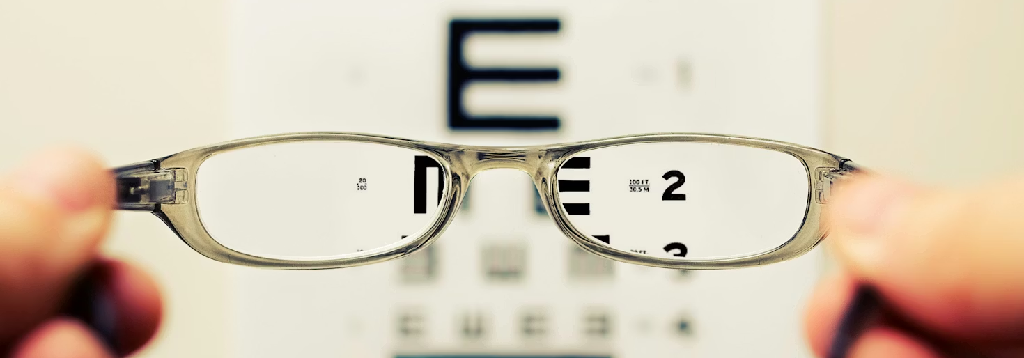
Blurry Vision: Causes, Symptoms & When to Visit an Eye Doctor Blurry vision is something almost everyone experiences at some point. Sometimes it happens after long screen use.Sometimes it feels worse in the morning or at night.And sometimes, even after wearing glasses, vision does not feel clear. In many cases, blurry vision is temporary.But in some cases, it can be a sign that your eyes need medical attention. This guide explains why blurry vision happens, what symptoms to watch for, and when you should visit an eye doctor. What is blurry vision? Blurry vision means objects do not appear sharp or clear. You may notice: Difficulty reading text Trouble recognising faces from a distance Hazy or foggy vision Vision that goes in and out of focus Blurry vision can affect one eye or both eyes, and it can be temporary or long-lasting. What are the common causes of blurry vision? Blurry vision can happen for many reasons. Some are minor, while others need treatment. 1. Eye strain or tired eyes Long screen use, reading for hours, or poor lighting can strain the eyes and cause temporary blur. 2. Refractive errors (glasses power issues) Near-sightedness, far-sightedness, or astigmatism can make vision unclear if glasses are outdated or incorrect. 3. Dry eyes When eyes do not produce enough tears, vision may feel blurry, especially after screen use. 4. Cataracts Cataracts cause clouding of the eye lens, leading to gradual and persistent blurry vision. 5. Diabetes-related eye problems High blood sugar can affect vision and cause sudden or fluctuating blur. 6. Eye infections or inflammation Redness, pain, or discharge along with blurry vision may indicate an infection. 7. Age-related vision changes As we grow older, focusing on near or distant objects may become harder. What symptoms often come with blurry vision? Blurry vision may appear along with other symptoms such as: Headaches Eye strain or tired eyes Sensitivity to light Difficulty seeing at night Burning or watering of eyes Frequent change in glasses Noticing these symptoms together can help identify the cause. Is blurry vision always serious? No.Blurry vision is not always serious, especially if it improves with rest, blinking, or glasses. However, blurry vision should not be ignored if it: Persists for many days Gets worse over time Affects daily activities Happens suddenly without a clear reason Can blurry vision be a sign of an eye condition? Yes.Blurry vision can be an early sign of conditions like: Cataracts Glaucoma Dry eye syndrome Retinal problems This is why regular eye check-ups are important, even if the blur feels mild. When should you visit an eye doctor for blurry vision? You should visit an eye doctor if: Blurry vision does not improve with rest Glasses no longer help Vision problems affect driving or reading You experience headaches or eye pain Blurry vision appears suddenly An eye examination helps identify the exact cause and prevent further vision problems. How is blurry vision diagnosed? An eye doctor may: Check vision clarity Examine eye pressure Look at the lens and retina Review medical history Most causes of blurry vision can be detected through a simple eye check-up. Where should you go for an eye check-up? For ongoing or unexplained blurry vision, it is best to consult a trusted eye hospital with experienced specialists. In Delhi, Mohan Eye Institute provides comprehensive eye examinations and treatment for various vision-related concerns, helping patients understand and manage their eye health properly. FAQs: Blurry Vision What is blurry vision? Blurry vision is when your eyesight becomes unclear or out of focus, making things look hazy instead of sharp. It can be temporary or ongoing, depending on the cause. What are the common blurry vision causes?Blurry vision can be caused by eye strain, dry eyes, refractive errors (like power changes), infections, cataracts, or other eye conditions. Sudden blur should always be checked by a doctor. What are blurry vision symptoms?Symptoms include hazy or unclear sight, difficulty focusing, eye strain, headaches, double vision, or seeing glare and halos around lights. What is the reason for blurry vision in one eye?Blur in one eye may be due to power changes, dry eye, infection, cataract, retinal problems, or nerve-related issues. Sudden vision loss in one eye needs urgent medical attention. What is blurry vision treatment?Treatment depends on the cause and may include glasses, eye drops, medication, or surgery such as cataract removal. An eye examination helps decide the right option. Which is the best hospital for blurry eye treatment in Delhi?Choose a eye hospital with experienced eye specialists, advanced diagnostic equipment, and comprehensive treatment options for accurate diagnosis and safe care. Is blurry vision normal after screen use? Yes, temporary blur can occur after long screen use, but it should improve with rest. Can blurry vision cause headaches? Yes. Eye strain due to unclear vision can lead to frequent headaches. Is blurry vision a sign of cataract? Yes, cataracts commonly cause gradual and persistent blurry vision. Can dry eyes cause blurry vision? Yes. Dry eyes can make vision fluctuate, especially during screen use. Does blurry vision always need treatment? Not always. Some causes are temporary, but persistent blur should be checked. Blurry vision should never be ignored for too long Blurry vision may seem like a small problem at first.But clear vision is important for comfort, safety, and daily life. If vision does not feel normal, an eye check-up can help find the cause early and protect long-term eye health.